
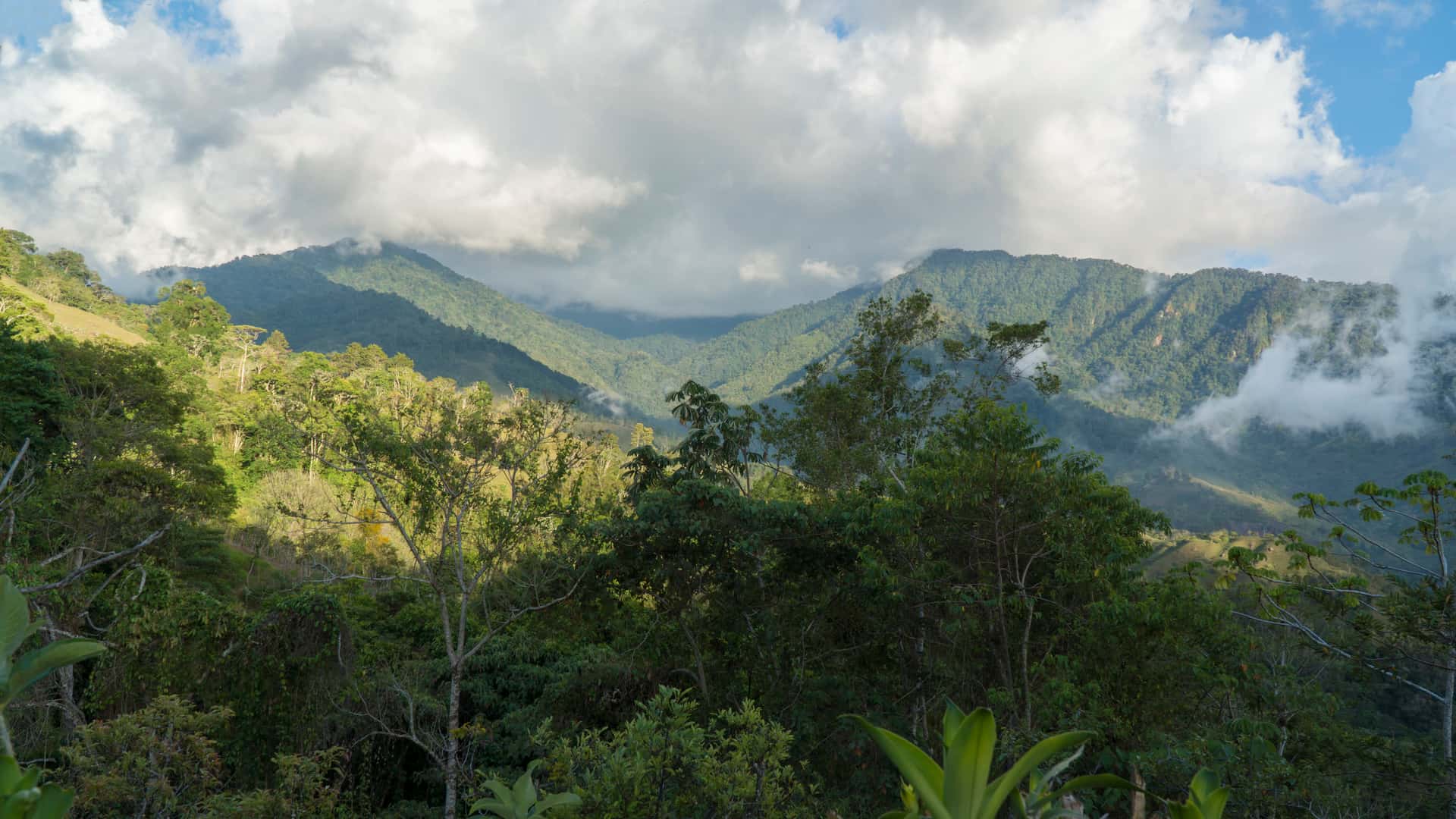
COSTA RICA
Apply Now!- Difficulty
- Very challenging
- Duration
- 11 days
- Participants
- Max. 10
- Start & Finish
- Puerto Viejo → San José
The Adventure
You drop your backpack and let yourself fall into the soft sand. Exhausted from a week full of challenges and new impressions. You have reached the Pacific under your own power, and with it a feeling of happiness and relief. You have crossed Costa Rica's jungle from the Atlantic to the Pacific, over the Talamanca mountains.
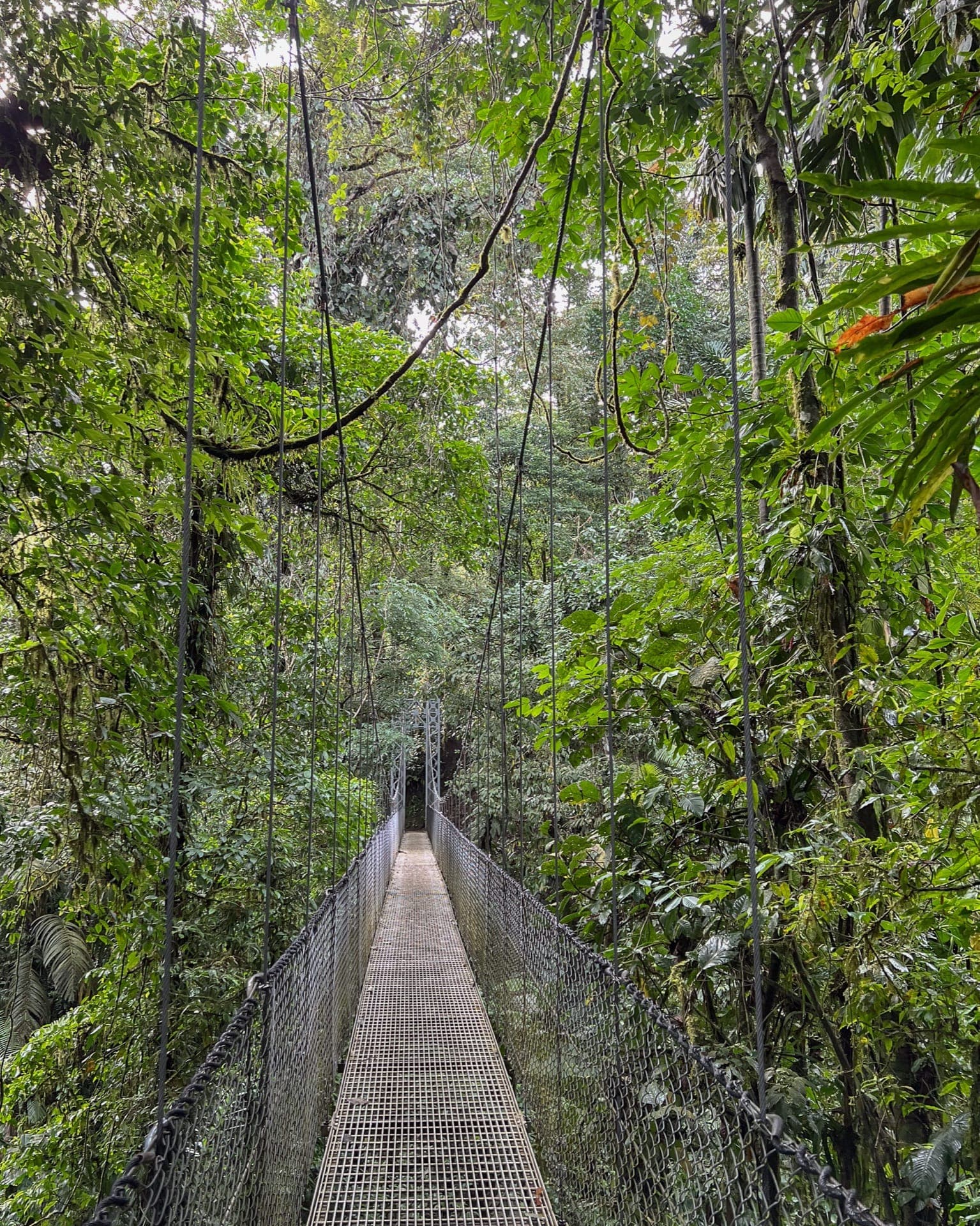
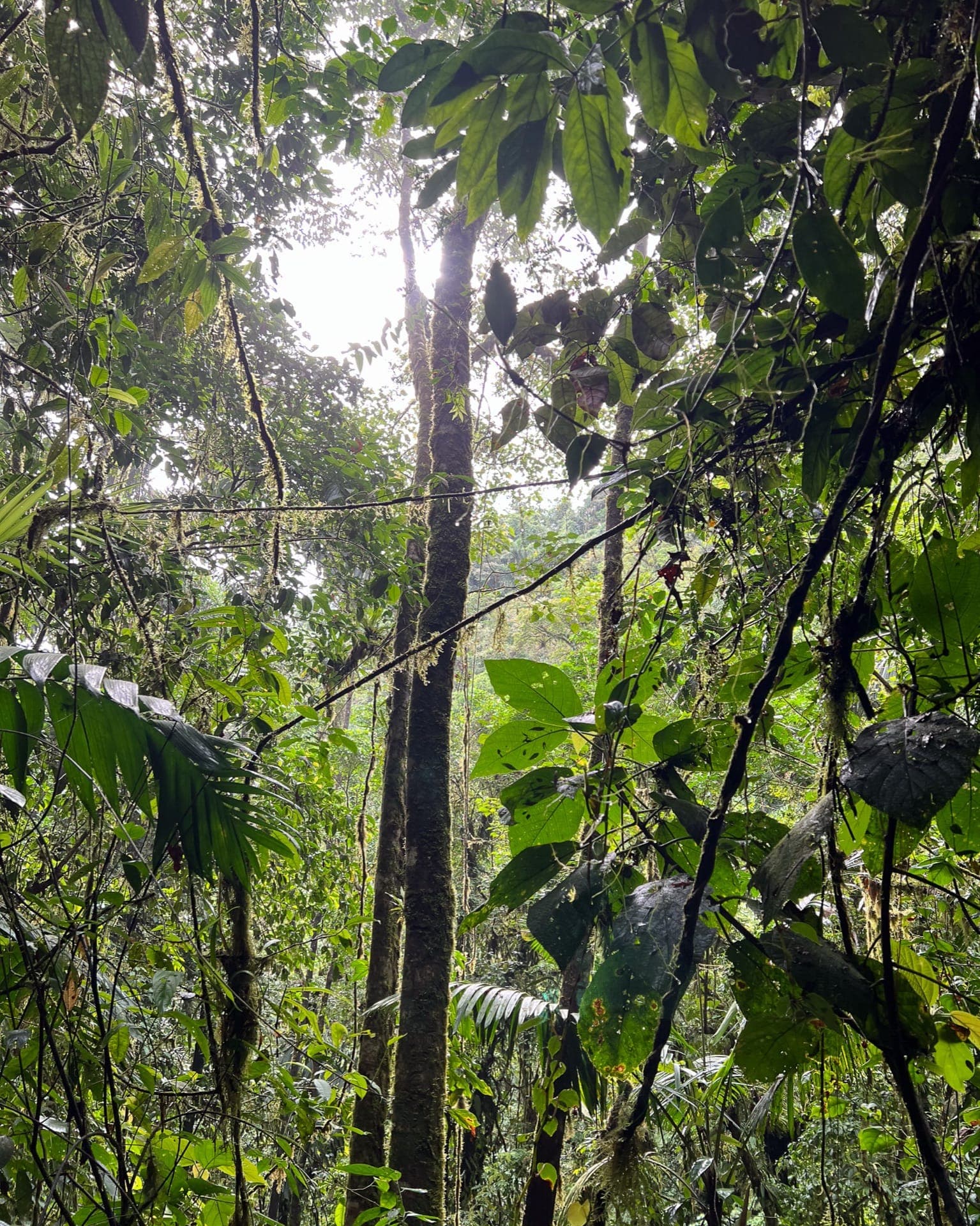
A week deep in the rainforest, surrounded by lush green and the colorful animals of the jungle. The Bribri have lived in this forest for generations. From them you have learned how to find your way through dense foliage, what the forest offers to eat and what to watch out for. With your machete you have cut your way through thick jungle growth, through mangroves and rivers. Hundreds of kilometers from the nearest road, there are no fixed trails.
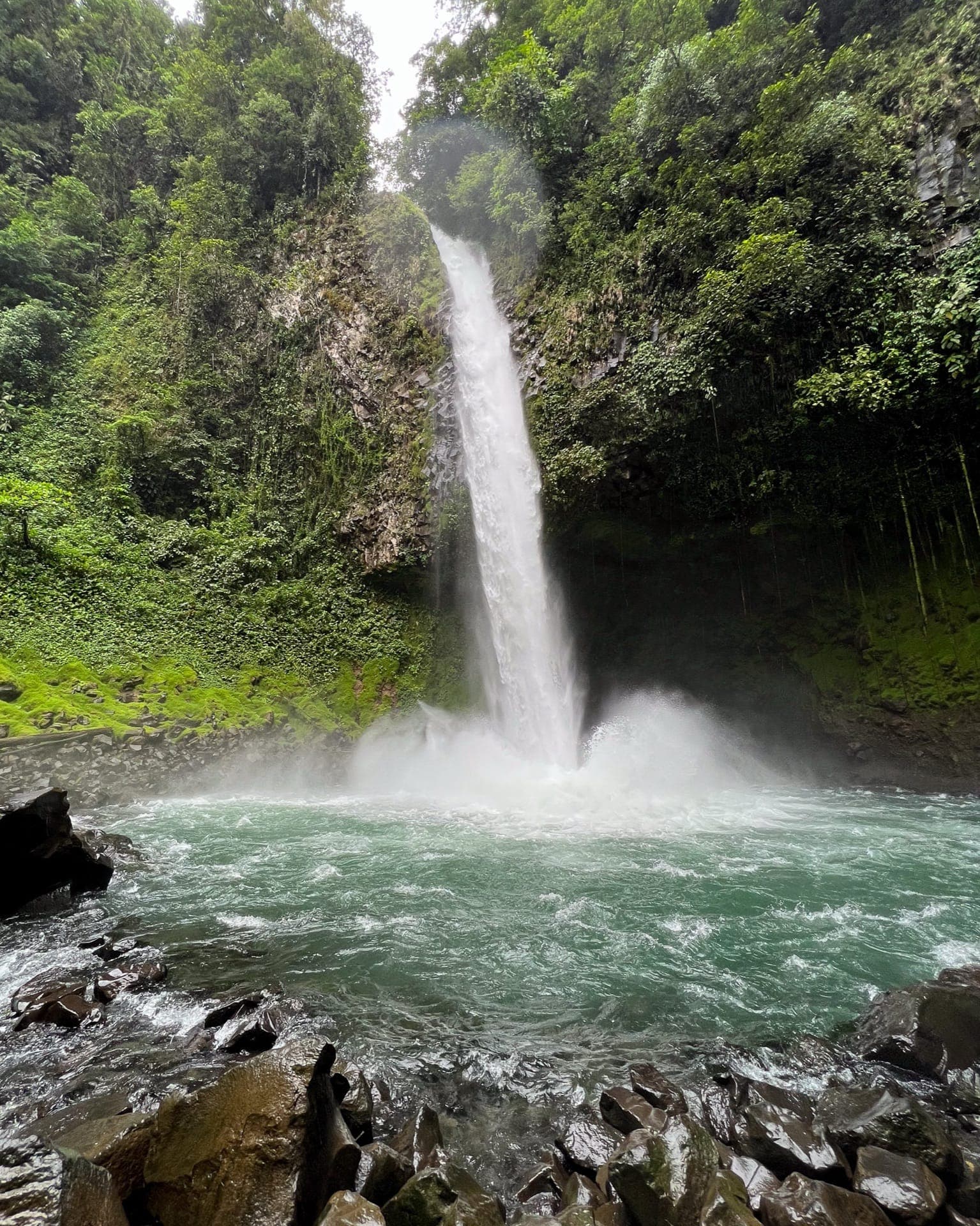
You have worked your way forward on foot, with river crossings part of every day. Where the water ran too deep or too fast, the Bribri guides decided how to continue. They know the spots, the water levels and the current. You have come across waterfalls that no trail leads to, and with your team you have seen places no one else reaches.
After long conversations around the campfire, you have fallen asleep in your self-built shelter or your hammock, the tropical night sky above you.
THE COUNTRY
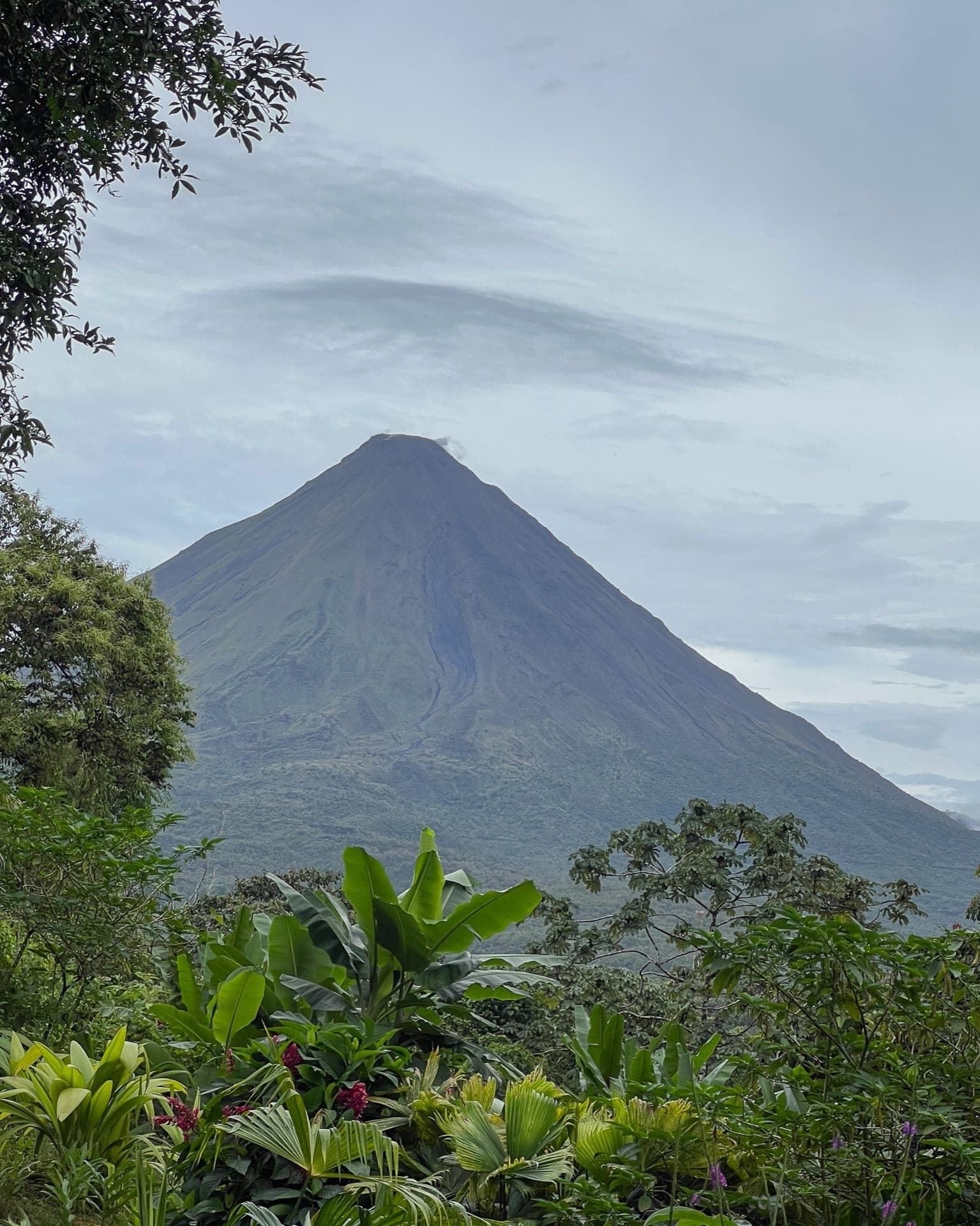
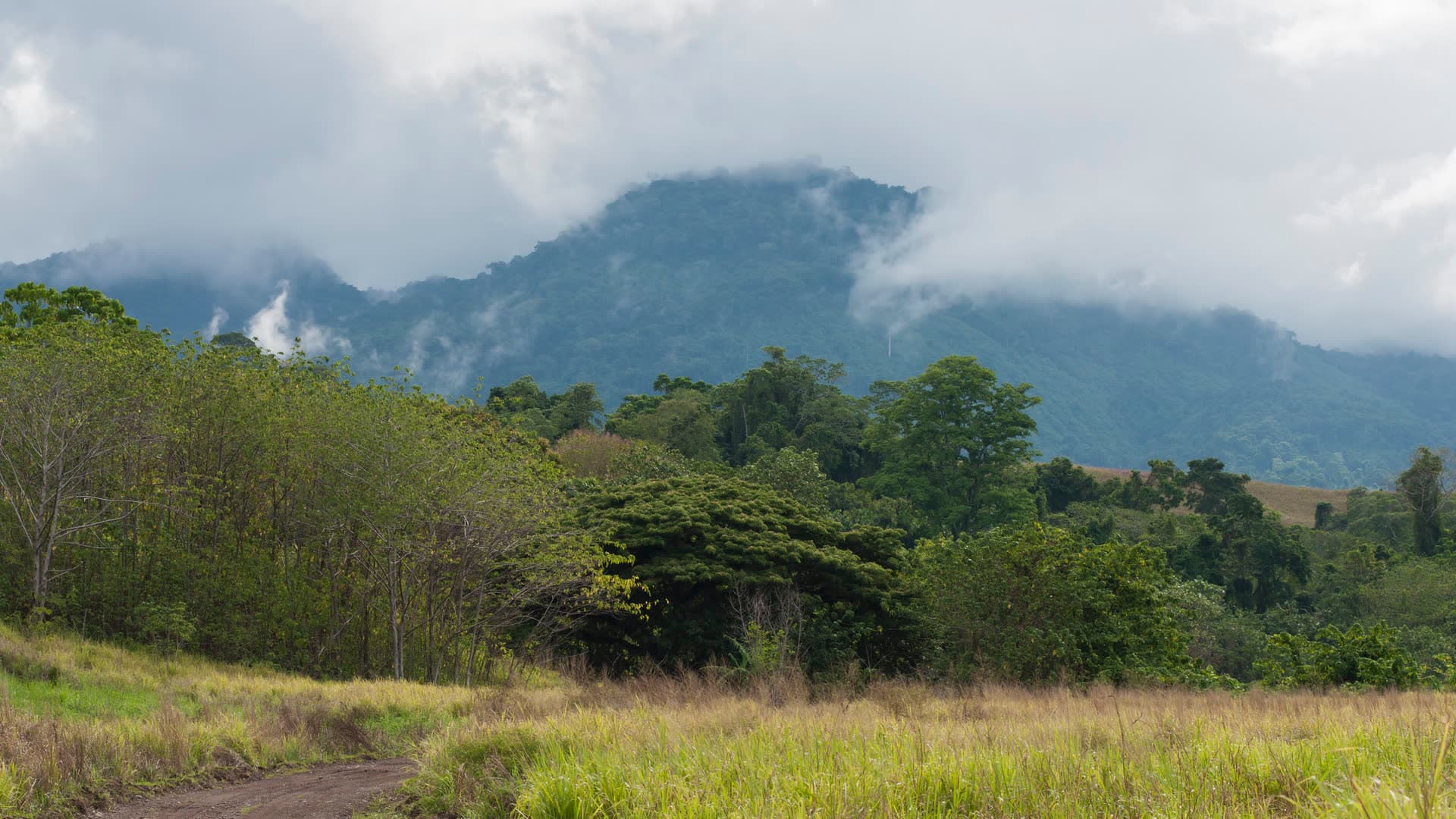
The mighty Talamanca mountain range runs through Costa Rica's interior, dividing the country into a Caribbean and a Pacific side. Its area is comparable to that of a German federal state. Despite its small size, it is home to around 5% of the world's biodiversity, making it one of the most species-rich countries on earth. More than 50% of the country is covered in tropical rainforest, half of which is designated as national parks to protect the local flora and fauna. Costa Ricans are known for their hospitality, and many of them make their living growing tropical fruit and coffee.
THE ROUTE
Our expedition begins on the Atlantic coast, in Puerto Viejo. From there we set off toward the rainforest in a 4×4 jeep. Before entering the jungle, we spend the night at the jungle lodge of the indigenous Bribri tribe to make our final preparations.
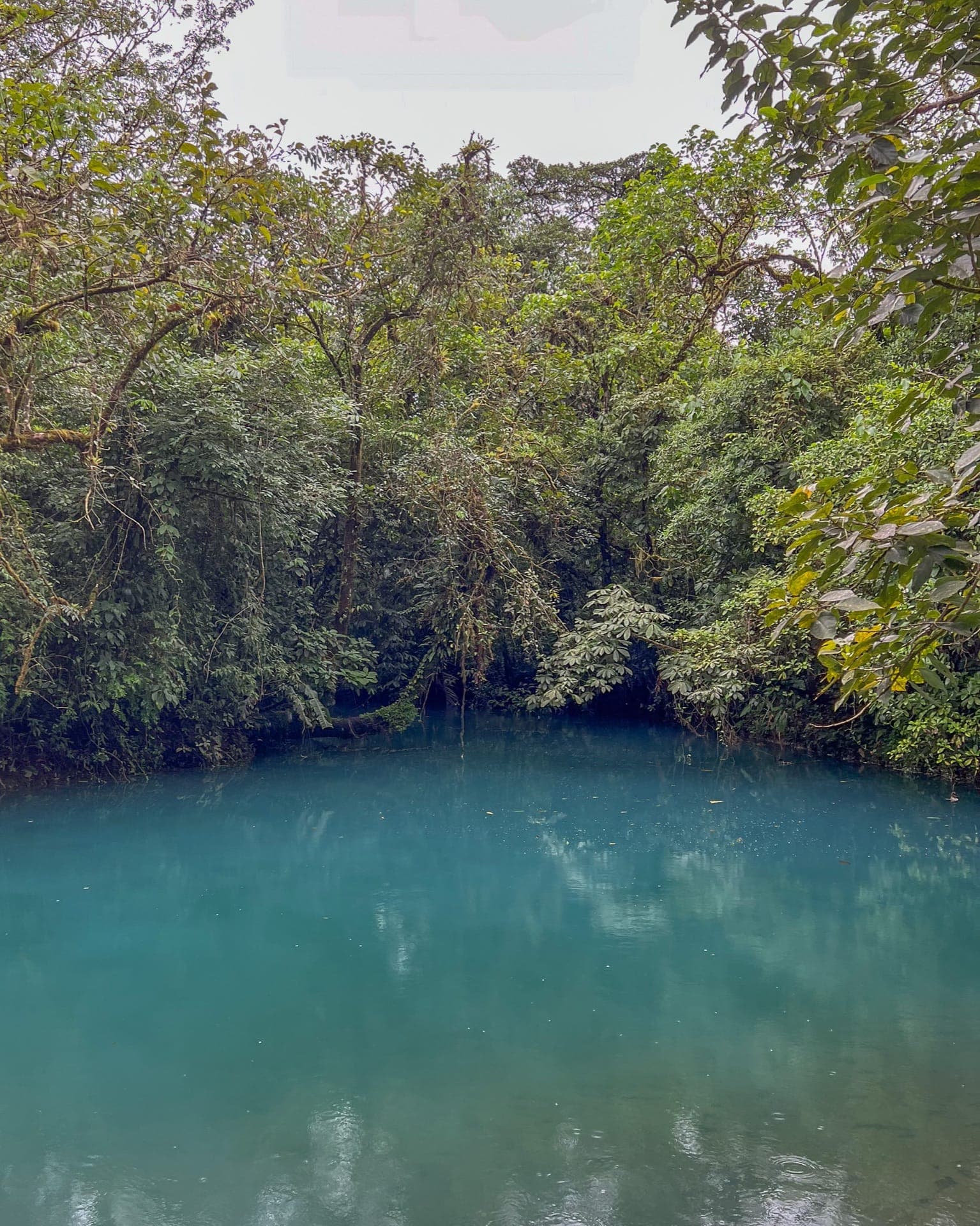
The Bribri guide us through a forest they grew up in. For a good week we travel on foot with machetes. River crossings are part of the traverse. How we get to the other bank depends on water level and current, and the guides on the ground make that call. We do not fix our route in advance, as there are no fixed trails in the dense rainforest. We navigate the valleys of the Talamanca mountains with the local knowledge of the Bribri and modern navigation technology. We pass wild rivers and waterfalls, scattered clearings and plenty of animals. Only on the Pacific coast do we meet civilization again.
To rest and sort through our impressions, we spend a day on the Pacific. The next day we head back to the capital, San José, where our adventure ends, for now.
Day by Day
Day 1·Arrival in Puerto Viejo
From the Atlantic coast we set off toward the rainforest in a 4×4 jeep. Before entering the jungle, we spend the night at the jungle lodge of the indigenous Bribri tribe and make our final preparations.
Days 2–8·Through the jungle
For a good week we travel on foot with machetes. River crossings are part of it, and how we get to the other bank is decided by the guides on the ground, based on water level and current. We do not fix the route in advance, as there are no fixed trails in the dense rainforest. With the local knowledge of the Bribri we navigate the valleys of the Talamanca mountains, passing wild rivers, waterfalls and plenty of animals. We sleep in self-built shelters or in hammocks.
Day 9·Reaching the Pacific
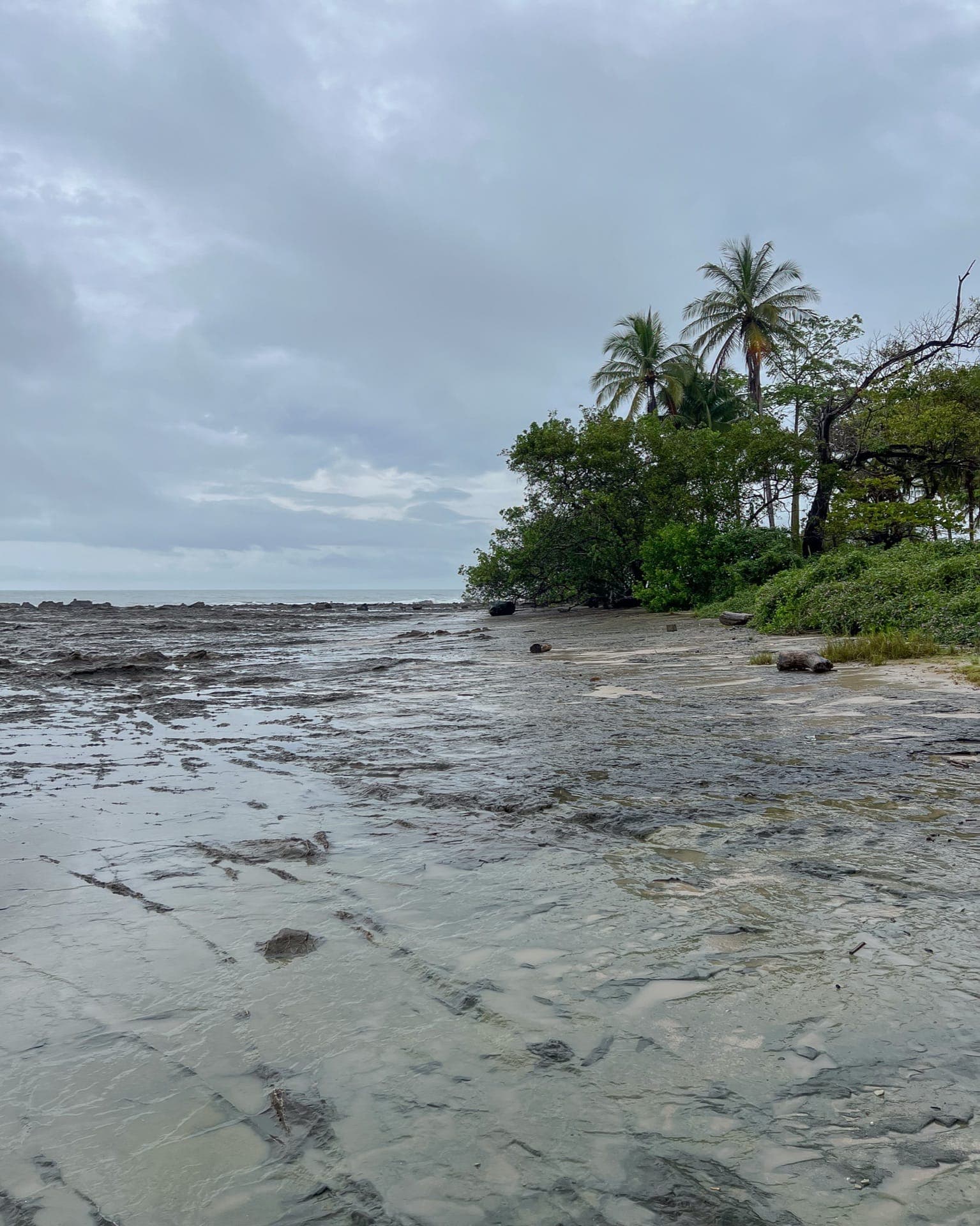
Only on the Pacific coast do we meet civilization again: the moment you reach the ocean under your own power.
Day 10·Rest day on the Pacific
A day on the Pacific to rest and process the intense impressions of the jungle crossing.
Day 11·Back to San José
We make our way back to the capital, San José, where our adventure ends, for now.
What's Included
Included in the price
- Accommodation throughout the expedition
- Equipment (hammocks and cooking gear)
- First-aid equipment
- Safety equipment (GPS devices, satellite phone, radios)
- Transport (from the starting point and to the end point)
- Meals in the jungle
- Expedition leaders (from Global Pioneers and from the Bribri tribe)
Not included
- International flights to Costa Rica (from as little as €550!)
- Travel insurance (mandatory)
- Restaurant meals before and after the jungle tour
- Personal equipment (trekking backpack, sleeping bag, etc.)
Dates & Prices
- Mar 9 – 20, 2027Spots availablePioneer Tour€2,400
Your application is non-binding. We'll get in touch with you personally and figure out together whether the expedition is right for you.
Want to be part of it?
Apply Now!Questions & Answers
What is a Pioneer Tour?
On a Pioneer Tour you walk a route that does not yet exist in this form. The Costa Rica Crossing Expedition is one of them: we cross the country from the Caribbean coast to the Pacific over the Talamanca mountains for the first time, together with the indigenous Bribri people as our partner on the ground. The exact line of the route is deliberately not fixed in advance — we set it with our local contacts and an additional guide who knows the terrain. Whoever comes along is part of the first group to walk this way.
Why is the exact route not fixed in advance?
On a Pioneer Tour we do not impose a standard route, we develop the way together with our local contacts. That does not mean you travel unprepared: the goal and the frame are set, the traverse from the Caribbean coast to the Pacific over the Talamanca mountains, from Puerto Viejo to San José. The concrete line of the route is agreed with the Bribri and an additional guide who knows the terrain, so that it fits the ground, the weather and local conditions.
What is the collaboration with the Bribri about?
The Bribri are an indigenous people of the Talamanca mountains and our local partner for this expedition. Without their knowledge of the terrain and their involvement, the traverse from the Caribbean to the Pacific would not be possible in this form. Working with them is part of what makes the Costa Rica Crossing Expedition a real Pioneer Tour: not a standard tourist route, but a journey built on genuine local connections.
What are the physical requirements?
You need to be genuinely fit for this expedition. Our tour is comparable to a strenuous multi-day mountain trek. We hike up to 8 hours a day with heavy backpacks. You should already have mountain or trekking experience, so you can judge whether you can handle long distances with plenty of elevation gain and a heavy pack. But don't worry: there is still enough time to train :).
How do I get there?
You organize your own travel to Puerto Viejo. The best option is to fly into the capital, San José. International flights from Germany start at around €550. From there, numerous buses run to Puerto Viejo (approx. 5 hours). If you need help booking or finding cheap flights, feel free to get in touch with us at any time.
How many participants come along on the Costa Rica Crossing Expedition?
Ten participants at most. On a Pioneer Tour this small group size matters especially, because we have to stay flexible with the terrain and with the coordination with our local partners.
What about safety?
Illness & injuryOur guides are trained in first aid and carry basic first-aid equipment. In an extreme emergency we have a GPS device to call in outside help (satellite reception permitting!). Since we are away from civilization for the entire jungle tour, a rescue can take some time.
Venomous animalsCosta Rica's jungle is also home to venomous animals such as snakes. We will rarely get to see them, as they tend to avoid humans. In an emergency we can send out a distress call (satellite reception permitting!)
Getting lostWe move away from established trails. We work with state-of-the-art navigation technology, and our expedition leaders from Costa Rica grew up in the jungle. The chance of getting lost is therefore very slim.
What equipment do I need?
You need a comfortable backpack that lets you carry a heavier load over several days. Apart from that, no special equipment is required. You'll receive a detailed packing list from us with comprehensive recommendations for every budget.
How hot does it get?
Temperatures depend heavily on altitude. On the Caribbean coast in Puerto Viejo it is warm and humid during the day, around 27 to 28 degrees, and at night it hardly drops below 22. Parts of the Talamanca mountains rise above 3,000 metres, where nights at higher altitudes can get considerably colder, close to freezing in extreme cases. Towards San José in the Central Valley temperatures settle back at a pleasant 24 to 26 degrees during the day, dropping to around 18 at night. The March travel window falls in the dry season: rain is possible, but less frequent than in the other months.
Do I need a visa?
German citizens do not need a visa for entry and stays of up to 180 days.