
Canada
Apply Now!- Difficulty
- Moderate
- Duration
- 12 days
- Participants
- Max. 10
- Start & end
- Whitehorse
The Adventure
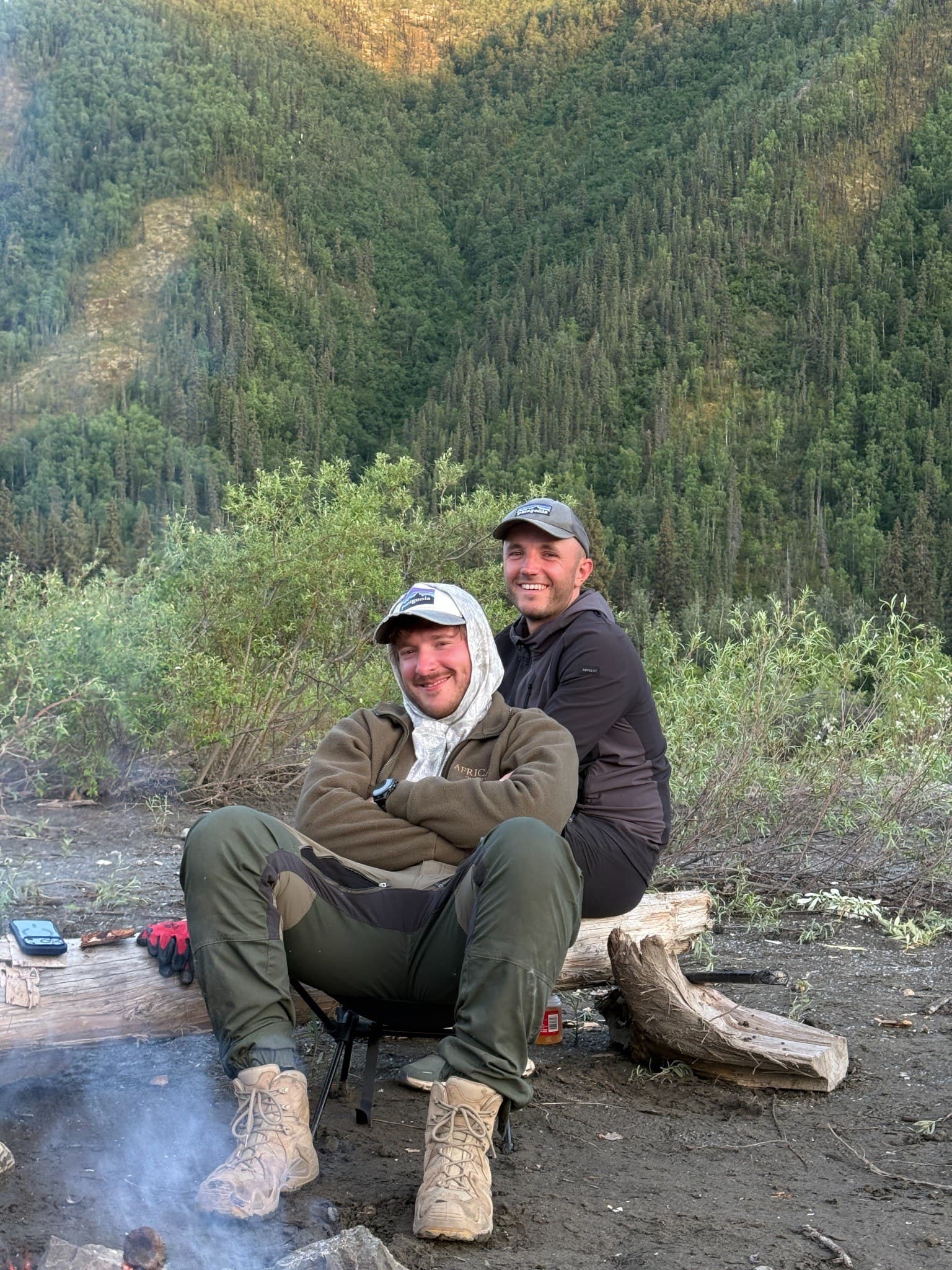
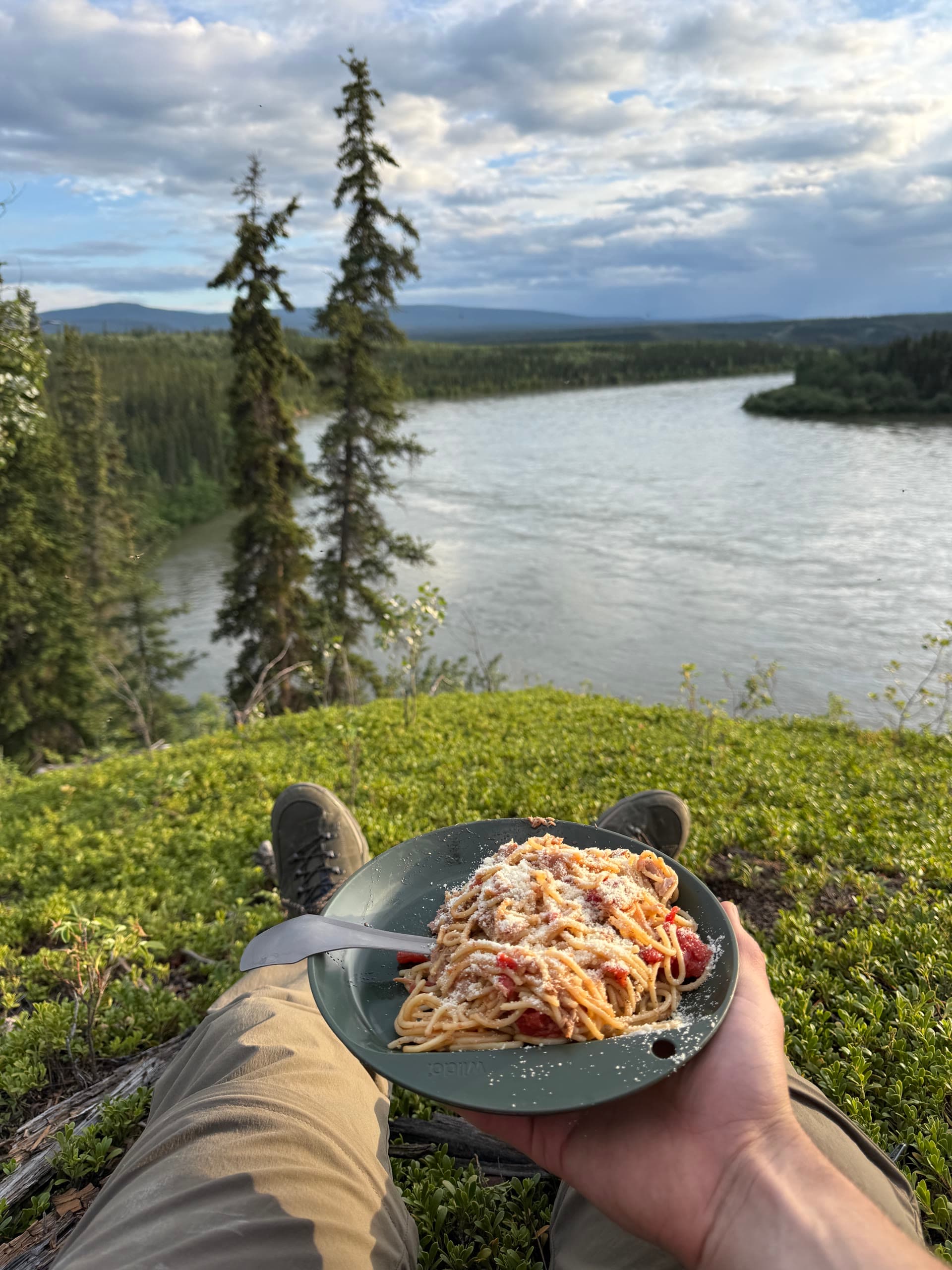
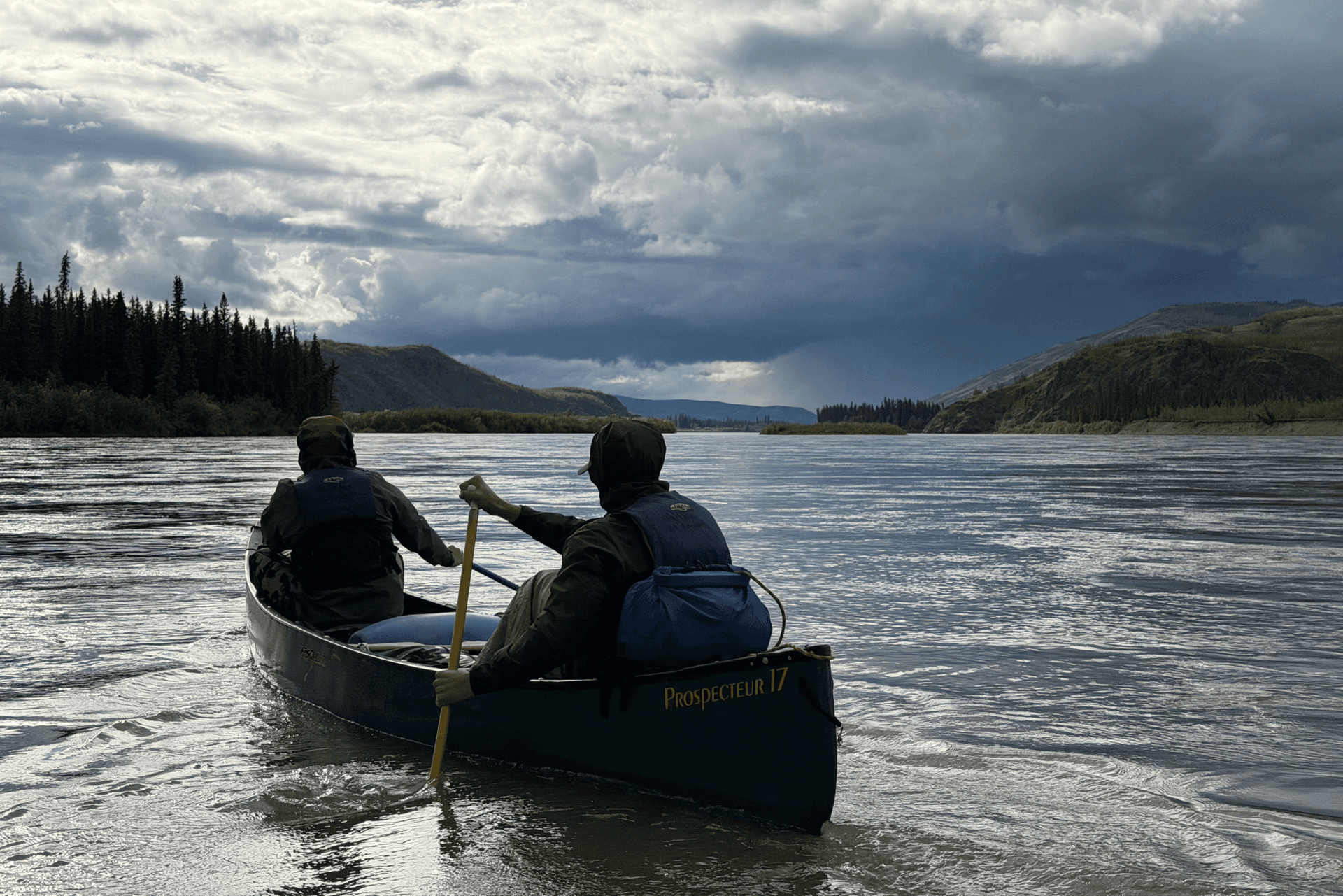
You climb out of your tent in the morning; the day has already broken. Thin wisps of smoke still curl up from the embers of last night's campfire. We load our canoes one last time and push off. Just before we reach Dawson City, you close your eyes. You feel the anticipation of arriving at the finish. You realize just how adventurous this week in the wilderness has been. You've paddled the Yukon River 420 km downstream, through narrow valleys and the endless expanse of the Canadian wilderness. You've learned what it feels like to live in the wild, hundreds of kilometers from any civilization. No cell reception, no power outlets: just your team, your canoe and the calm of nature all around you. To wash, you bathed in the river; to cook, you lit a fire on the bank. Every day we found a suitable spot on the shore for our camp. You climbed small mountains near the river for an even better view over the endlessly forested valleys and to get a sense of the river course ahead of us. Along the Yukon you got to know Canada's rich wildlife and discovered traces of the historic gold rush of the late 1800s. We land and stow our canoes. The journey isn't over yet. A hot shower awaits before we head down the old wooden boardwalks to the saloon and spend the evening together. The next day we explore the living history of the gold rush town and visit America's first legal casino, still in operation today. The day after, we set off back to Whitehorse, where our adventure ends, for now.
THE REGION
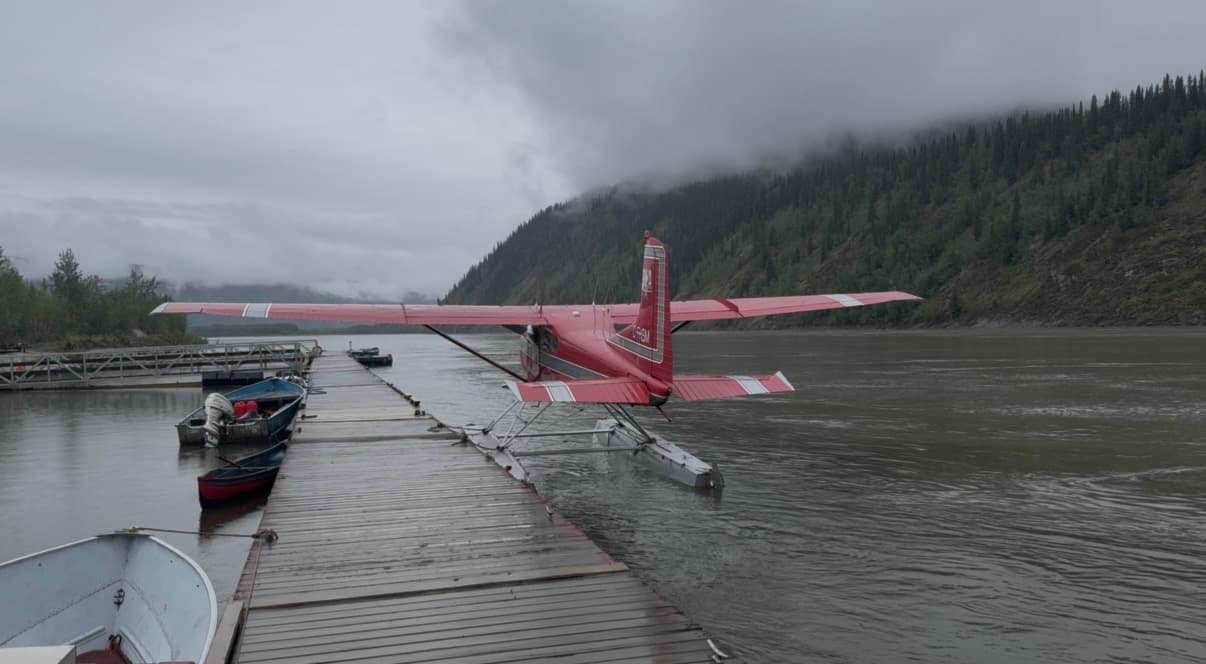
We travel through the Yukon Territory, in the far northwest of Canada on the border with Alaska. With an area the size of Spain and a population of around 40,000 people, it is one of the most sparsely populated places on earth. Nature here is largely untouched, shaped by mountainous terrain, endless forests, crystal-clear rivers and countless lakes. Our river, the Yukon, is one of the longest rivers in North America and was once the main artery of the gold rush. Many small settlements can only be reached by boat or floatplane, cut off from civilization. Some of the communities are traditionally home to First Nations, whose cultures and traditions play an important role in life in the Yukon.
Summer is short but surprisingly warm, marked by long days when the sun shines almost around the clock.
THE ROUTE
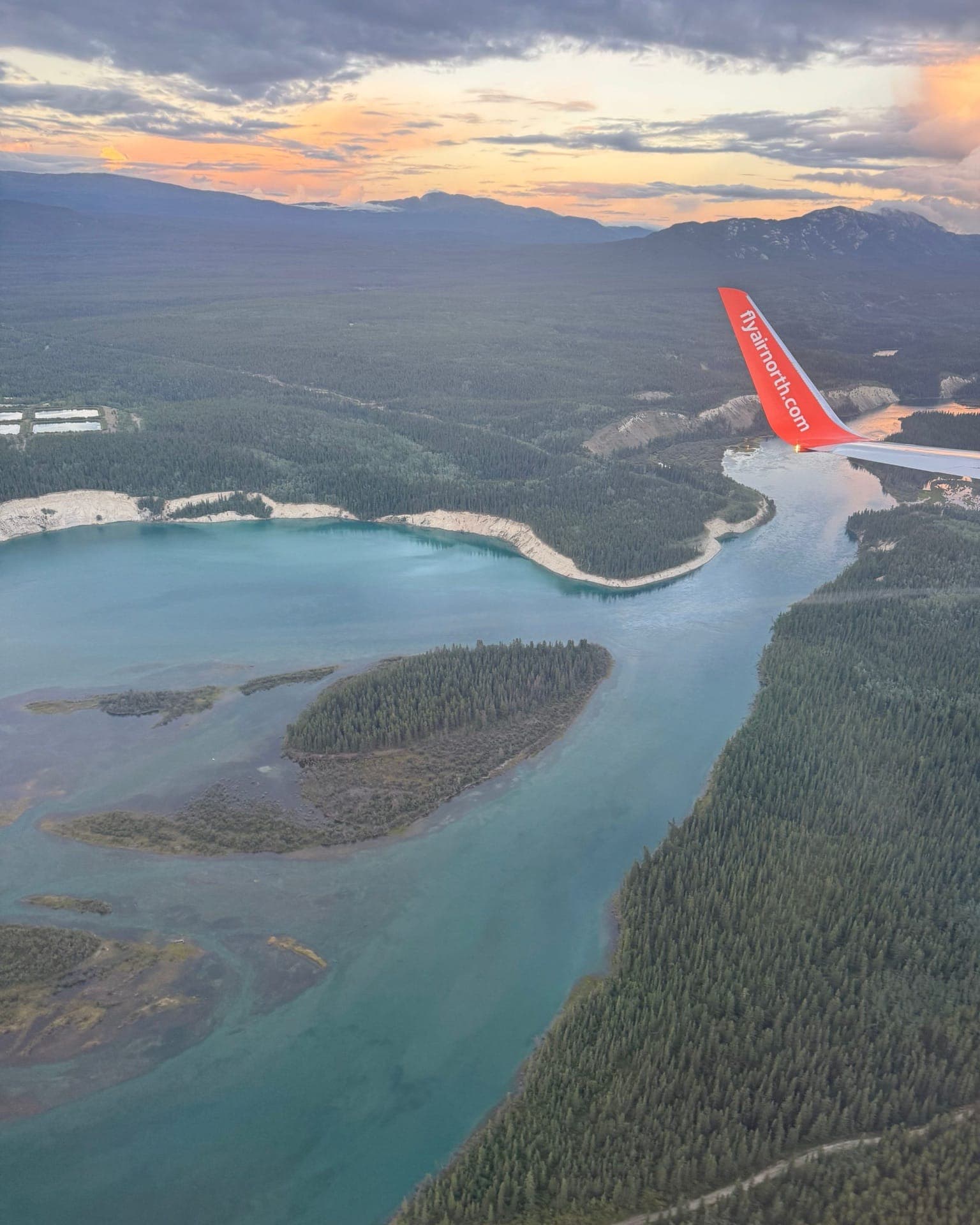
Our expedition begins and ends in Whitehorse. From there we head to Carmacks, the starting point of our canoe tour. From now on, our route follows the course of the Yukon River. Where we pitch our tents each evening is decided fresh every day: depending on the conditions on the ground and how far we get.
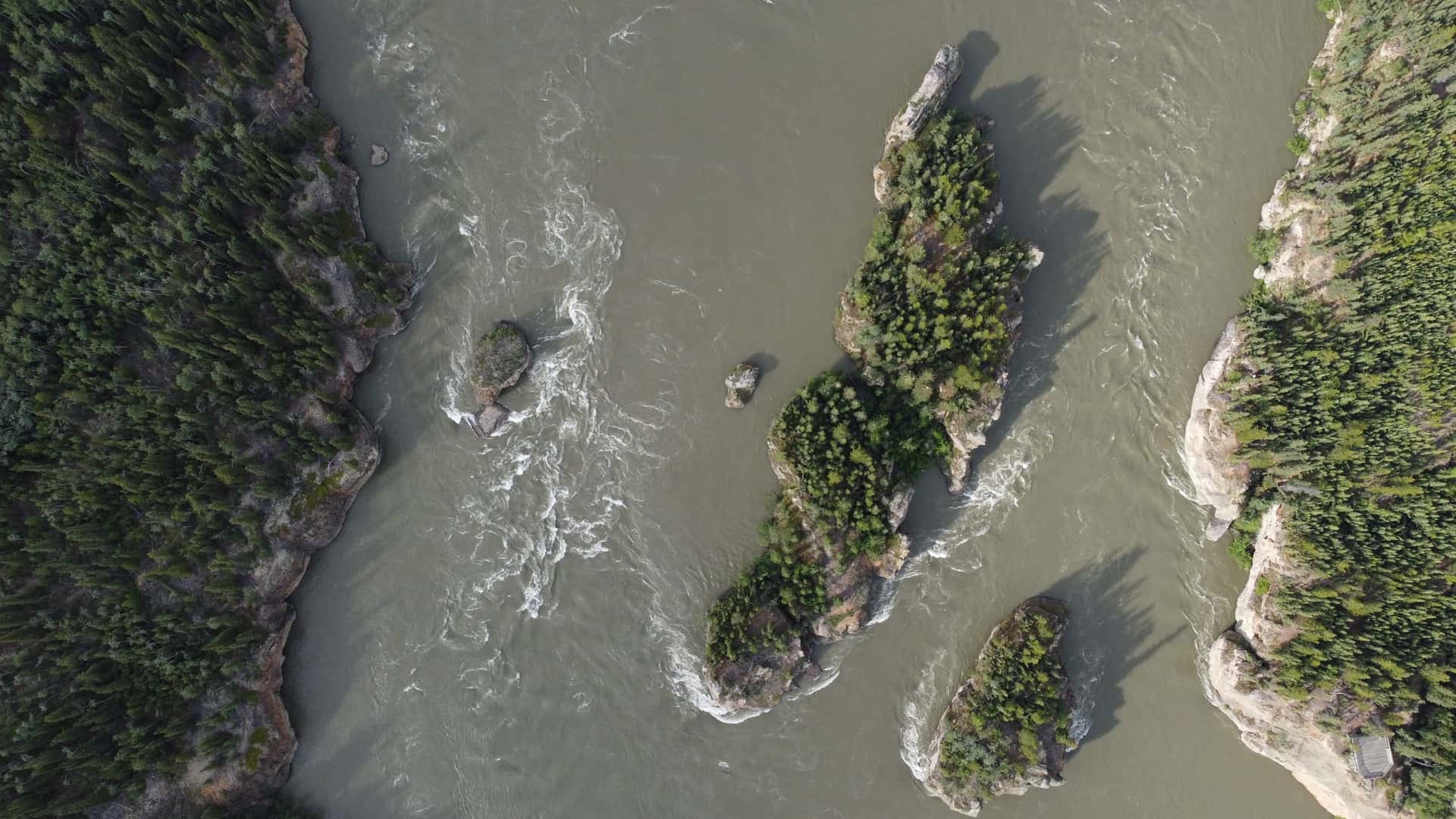
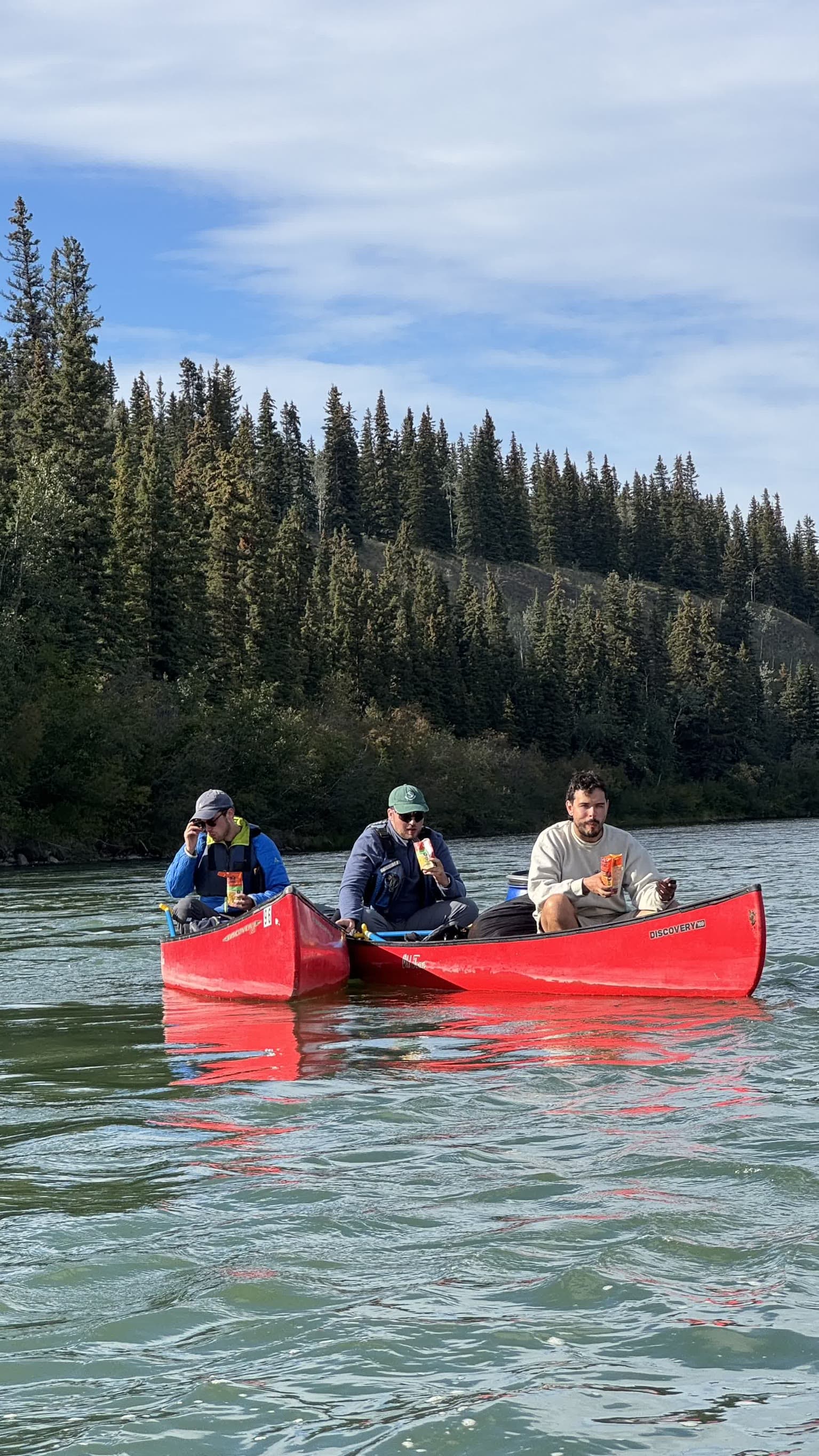
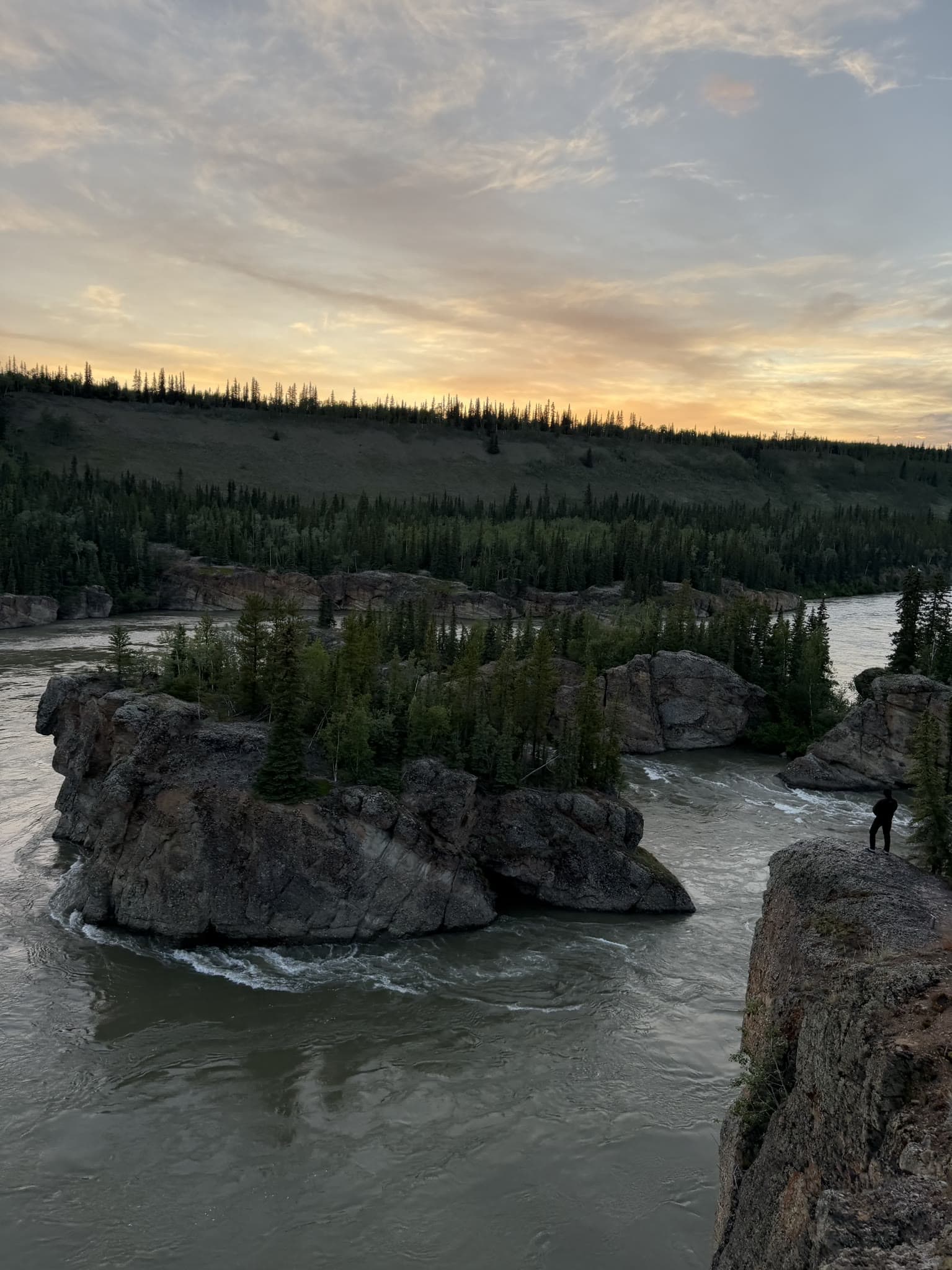
After settling in on the calm river in our 2–3 person canoes, we reach the Five Finger Rapids. We pull over to the bank and climb the embankment to get a good look at the rapids. We pick the best line to run them. One canoe after another masters our first big adventure.
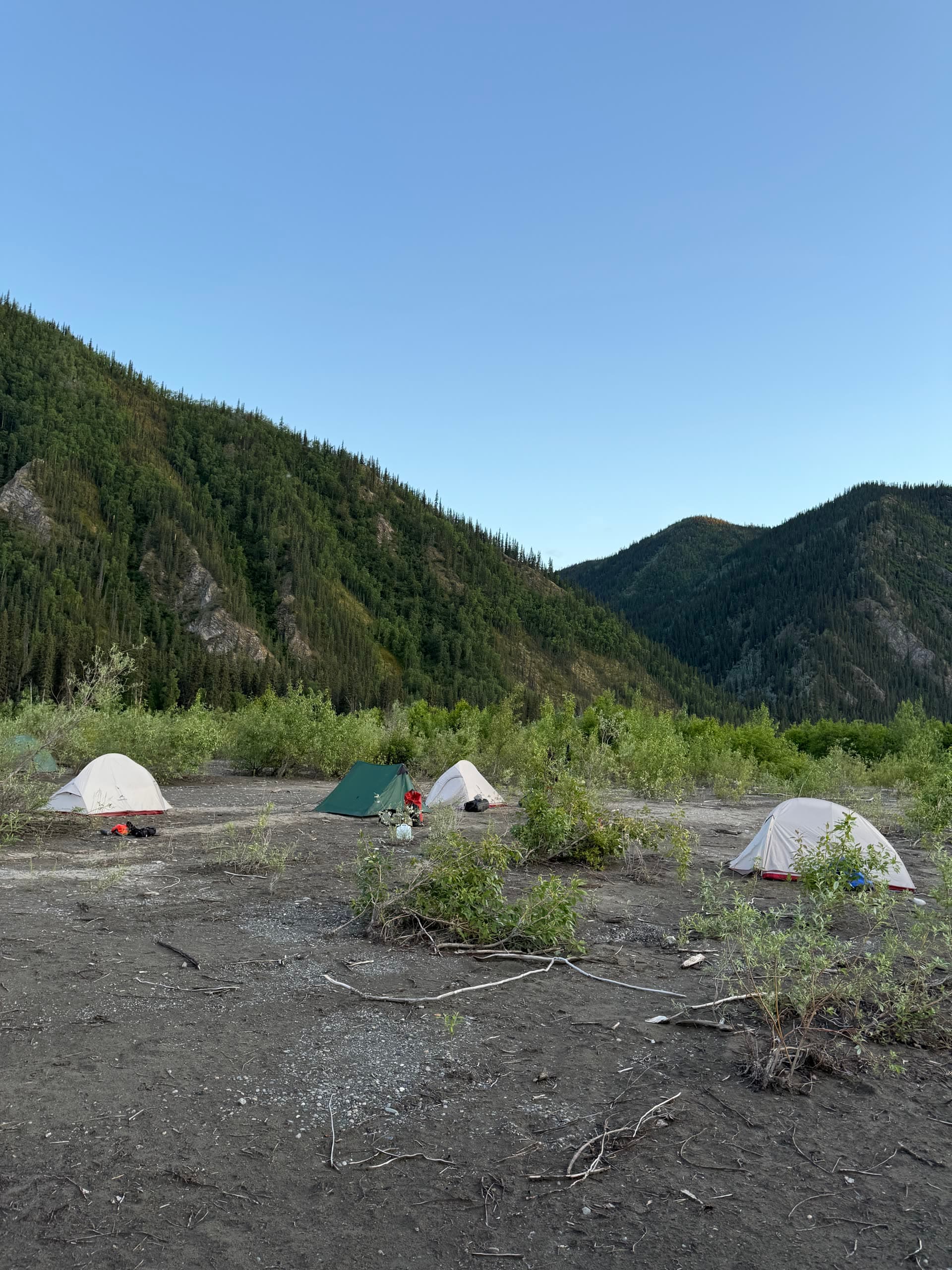
A few kilometers downstream we set up our first camp. We gather firewood and cook over the fire before retreating to our tents, tired from the day's effort.
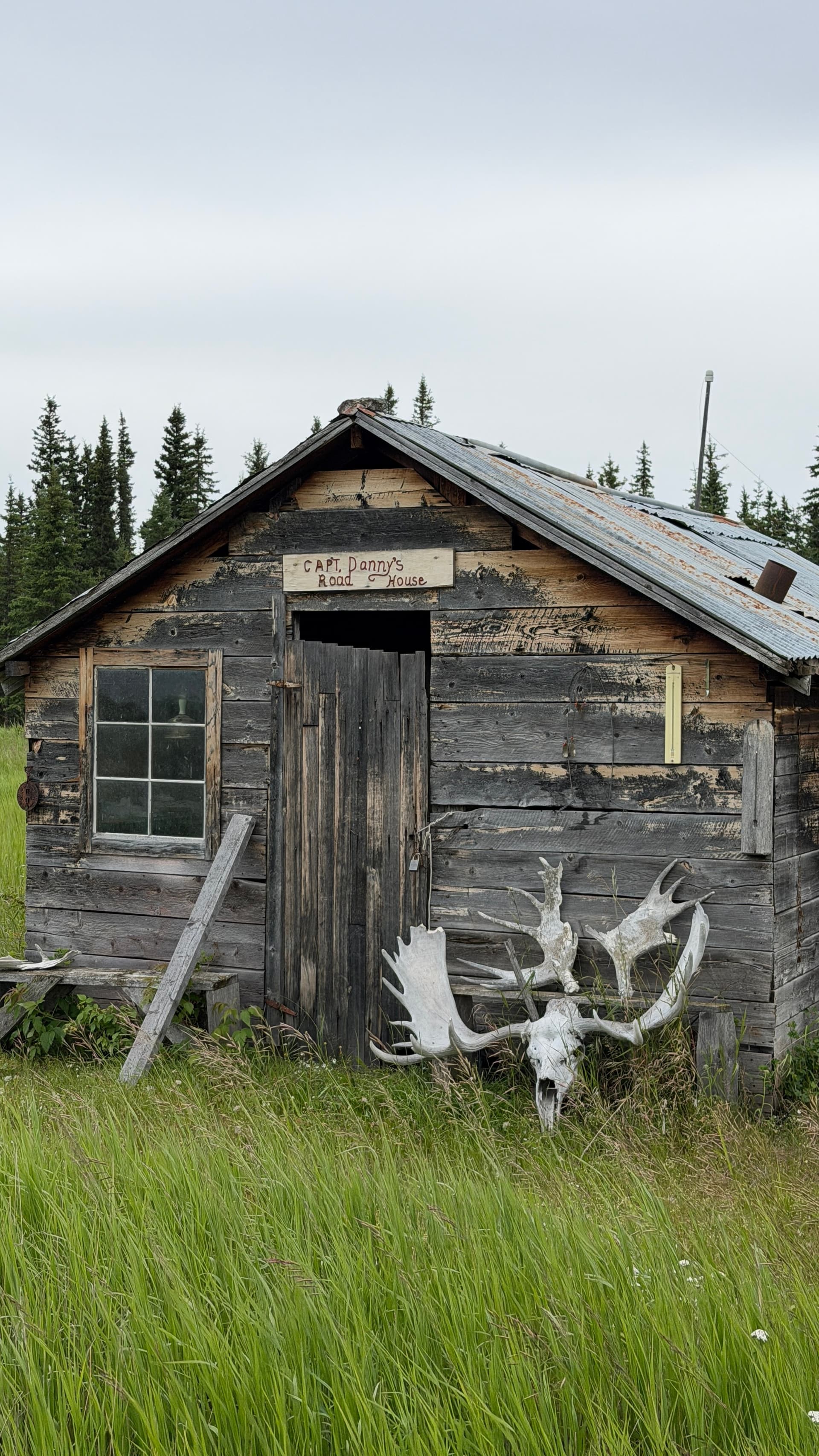
The river calms down again, the landscape alternating between forested banks and open stretches. The current helps us make good progress as we work our way deeper into the wilderness. We pass abandoned settlements and countless river islands.
Over the following days the landscape is defined by high cliffs and dense forest. The water carries us further north. We pass the point where the White River flows into the Yukon. The river grows wider, the current a little slower, but the scenery remains impressive. We reach Dawson City, the heart of the gold rush. We spend the next two days exploring the little gold rush town before making our way back to Whitehorse.
Day by Day
Day 1·Meeting up in Whitehorse
We meet in Whitehorse in the afternoon. We get to know each other, go through the gear together, run a briefing and settle the last questions. The evening stays relaxed – tomorrow morning we head out.
Days 2–10·On the river and in the wilderness
In the morning we drive to Carmacks, load the canoes and push off into the Yukon River. From here the river sets the pace: we paddle through narrow valleys and endless expanses, past abandoned settlements and countless river islands. Where we pitch our tents each evening is decided fresh every day, depending on conditions and the day's distance. We gather firewood, cook on the bank and bathe in the river. No phone signal, no power socket – just the team, the canoes and the quiet of the wilderness. On Thursday (day 10) we land at Dawson City, the heart of the gold rush. After the days outside, a shared evening at the saloon awaits, right in the middle of authentic Dawson with its wooden boardwalks and crooked facades.
Day 11·Gold rush town of Dawson
We spend Friday in Dawson. We explore the living history of the gold rush town and visit America's first legal casino, still in operation today.
Day 12·Back to Whitehorse
At midday on Saturday we head from Dawson back to Whitehorse, where our adventure ends, for now.
What's Included
Included in the price
- Canoes
- Equipment (tents, cooking gear, dry bags etc.)
- First-aid equipment
- Safety equipment (satellite phone, radios, bear spray)
- Meals (outside Whitehorse, Carmacks and Dawson)
- Expedition leaders (Global Pioneers)
- Transport (to the starting point and back)
- Return flight from Dawson to Whitehorse
Not included
- International flights to and from Whitehorse
- Restaurant meals before and after the canoe tour
- Casino entrance fee in Dawson City
- Fishing license
Want to be part of it?
Apply Now!Questions & Answers
When exactly does the expedition start and end, and from when can I book my return flight?
- Arrival: on the first day of the tour, in Whitehorse – arrive between 12 and 6 pm, depending on your flight; a stopover of a few days beforehand is a good idea, e.g. in Vancouver
- Last night included: the night before the last day of the tour
- Departure: on the last day of the tour – accommodation for that night is no longer included
- Return flight: from around 3–4 pm on the last day of the tour, or on the following day
What's included in the price?
- Canoes
- Equipment (tents, cooking gear, dry bags etc.)
- First-aid equipment
- Safety equipment (satellite phone, radios, bear spray)
- Meals (outside Whitehorse, Carmacks and Dawson)
- Expedition leaders (Global Pioneers)
- Transport (to the starting point and back)
- Return flight from Dawson to Whitehorse
What's not included?
- International flights to and from Whitehorse
- Restaurant meals before and after the canoe tour
- Casino entrance fee in Dawson City
- Fishing license
Do I need to know how to canoe?
You'll quickly learn to canoe on calmer water. It certainly helps if you bring a bit of paddling experience, but it's not a requirement for joining.
What are the physical requirements?
Average fitness is enough. That said, we spend up to 8 hours a day in the canoes. You'll thank yourself on the expedition if you've done a bit of arm training beforehand.
How do I get there?
You organize your own travel to Whitehorse. International flights from Germany to Whitehorse are available from around €750. If you need help booking, feel free to get in touch with us anytime.
What about safety?
WeatherThe weather in Canada's north is unpredictable, even in summer. That's why it's important to bring a suitable sleeping bag that keeps you warm in colder conditions too. You'll receive a detailed packing list from us with all further information before the expedition.
CapsizingOn our stretch the Yukon is not a whitewater river, but we do pass the occasional rapid. We practice running rapids safely, and our expedition leaders brief you thoroughly before the trickier passages.
Illness & injuryOur guides are trained in first aid and carry a basic first-aid kit. In an extreme case we have a GPS device to call in external help (satellite reception permitting!). Since we are away from civilization for the entire canoe tour, a rescue can take some time.
BearsBears tend to be shy of humans. We make our camp bear-safe every evening so we don't get any uninvited visitors at night. We travel as a group and you'll be trained specifically for staying in bear country. Just in case, we carry bear spray.
What equipment do I need?
You need a sleeping bag and a sleeping pad; we bring the tents. No other equipment is required. After booking you'll receive a detailed packing list from us with plenty of tips!