
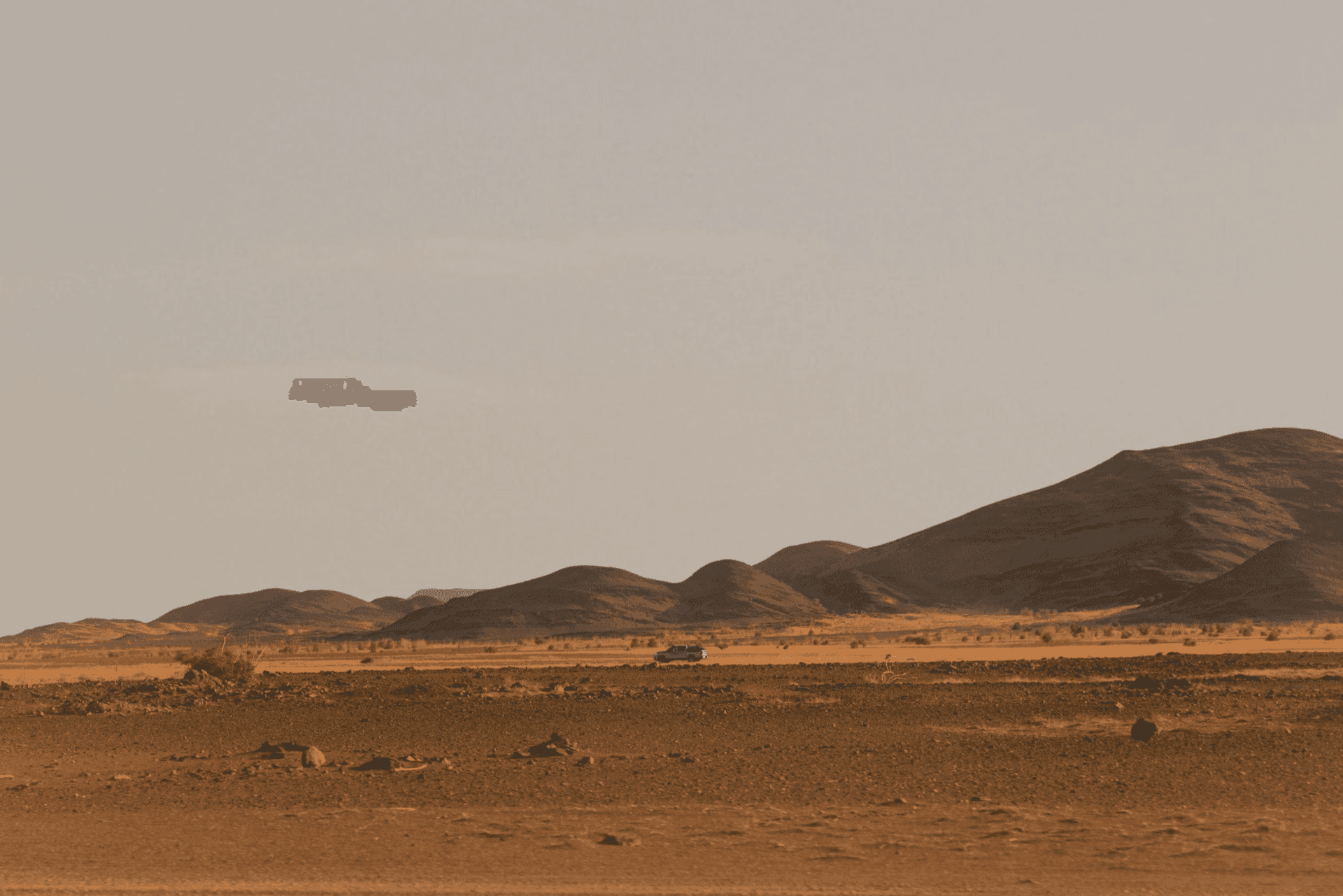
Mauritania
Apply Now!- Difficulty
- Moderate
- Duration
- 8 days
- Participants
- Max. 12
- Start & end
- Ad-Dakhla (Western Sahara)
The Adventure
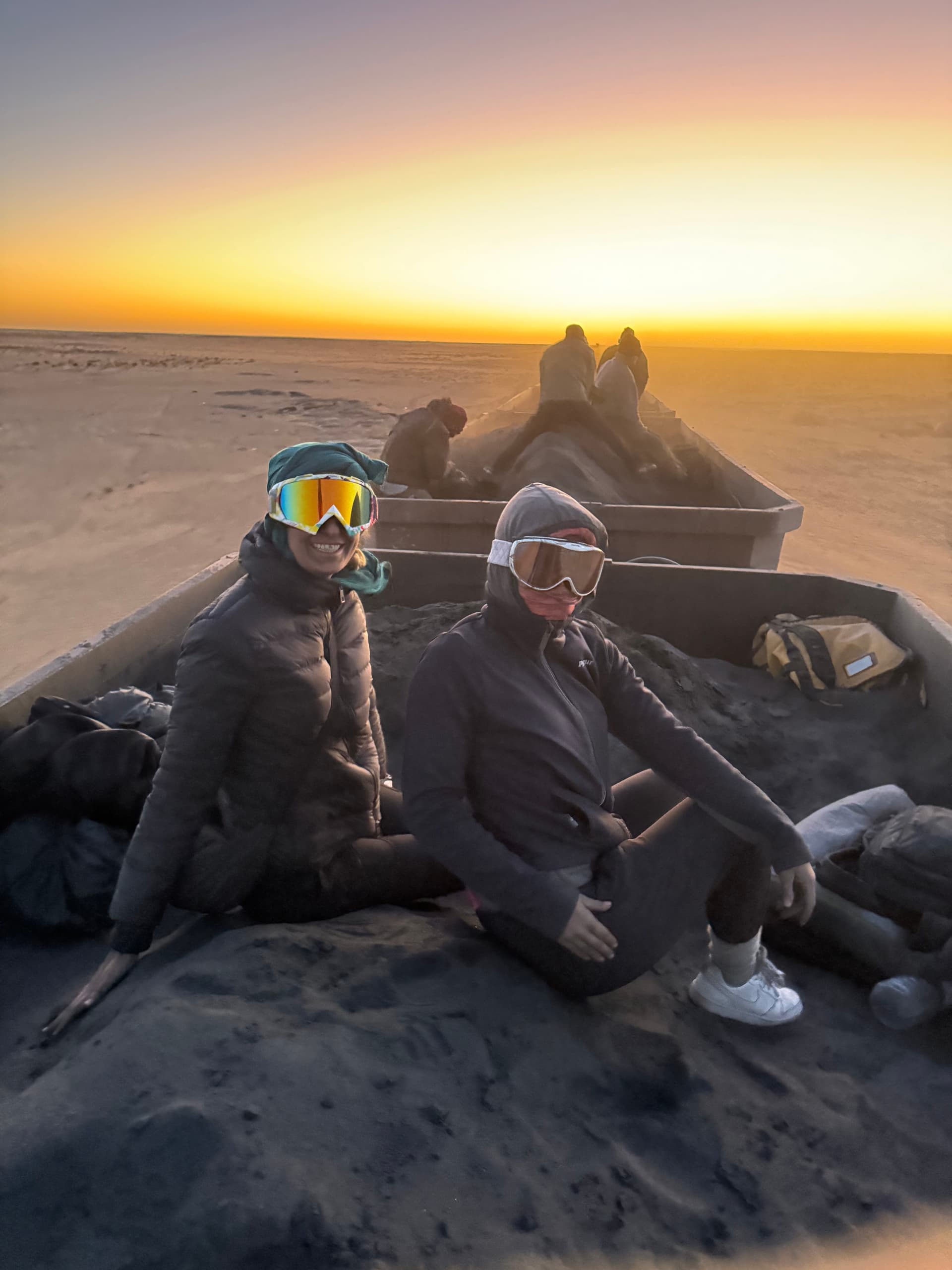
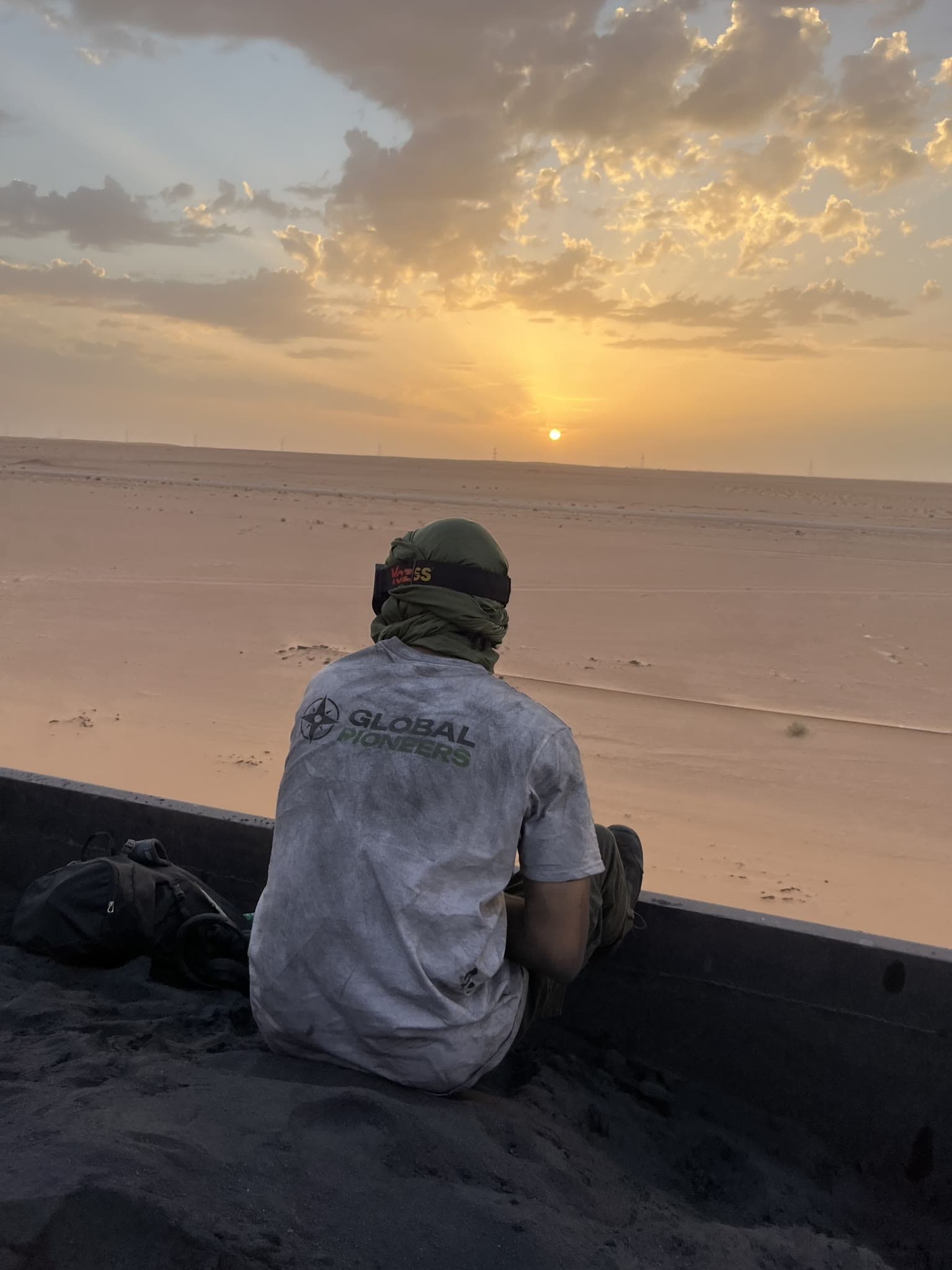
You wake with the first rays of sunlight as the Iron Ore Train sways gently along the rails and the desert sand crunches beneath the wheels. You look toward the horizon, where the warm wind stirs up dust in the last wagons. The night was cold and short. You have never seen the night sky as clearly as this. An overnight journey through the largest sand desert in the world. Past nomad tents, wild camel herds, barren landscapes and scattered sand dunes. The final kilometers on the longest and heaviest freight train are almost behind you, as our journey through Mauritania slowly draws to a close.
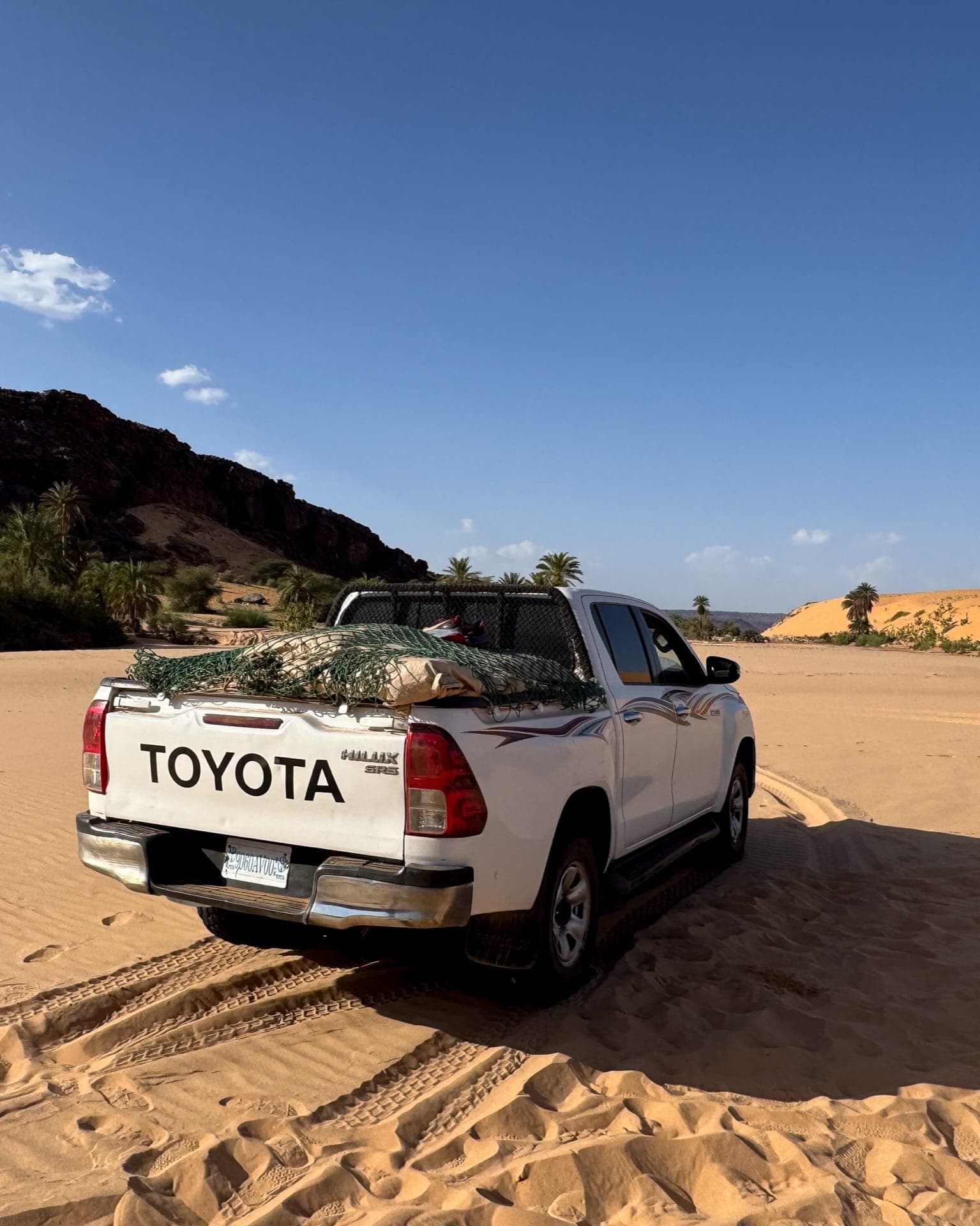
You look back on a week full of new friendships, overwhelming impressions and an appetite for even more adventure. You have discovered a country that appears on hardly any travel list. You have driven through the desert in a 4×4 jeep and camped at the foot of Mauritania's highest sand dune. You have explored abandoned ruins along medieval caravan routes, swum in green oases in the middle of the desert and off lonely Atlantic beaches. At the end of the trip you visited your first traditional hammam, before heading home with fresh spices from the market.
THE COUNTRY
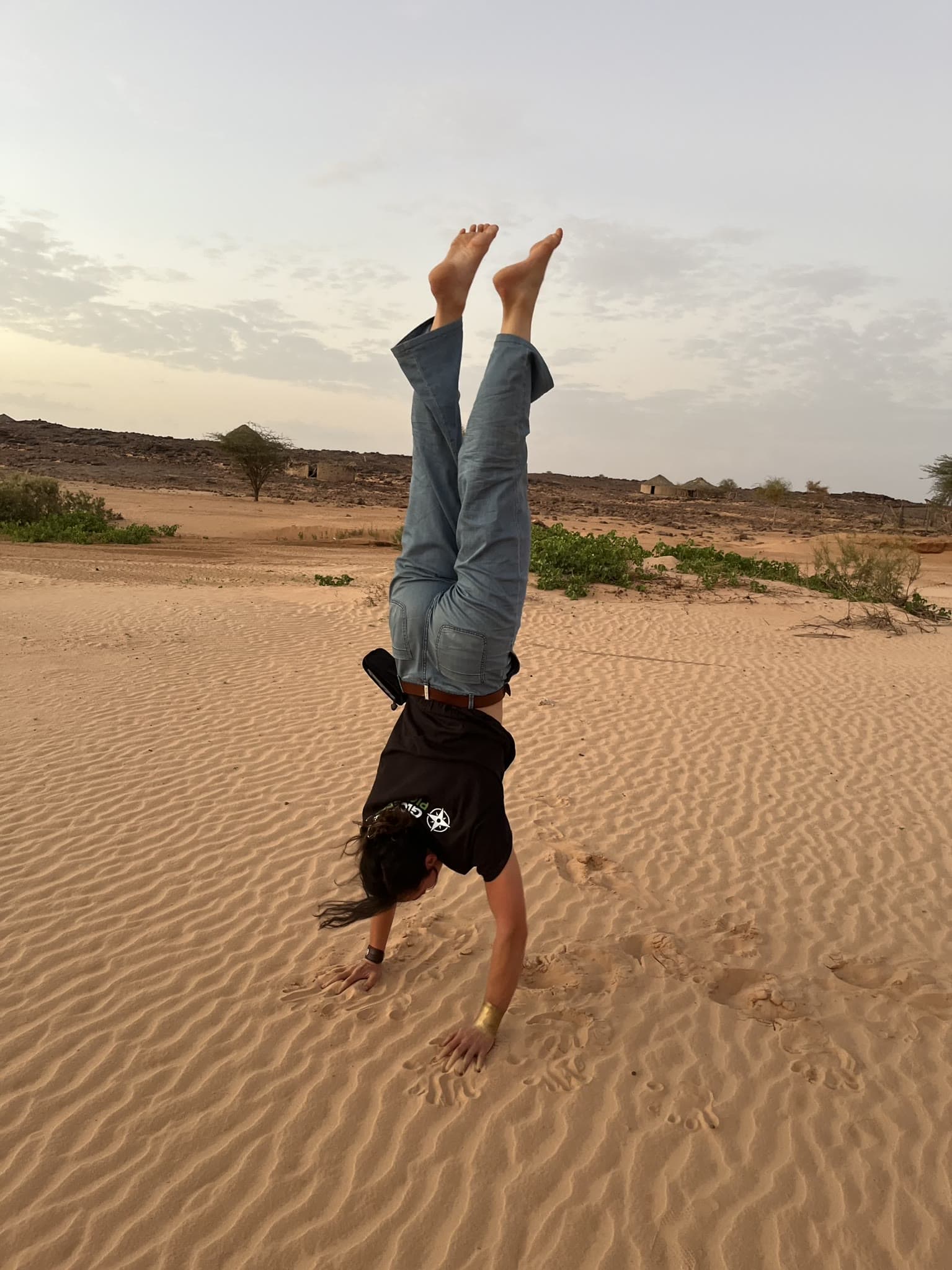
Mauritania is a country of extremes and contrasts. It is roughly three times the size of Germany, yet home to only about as many people as Berlin. Time seems to stand still here. Fishermen live along the barren coast while the endless Sahara dominates the landscape. This is where you experience authentic Arab culture far from mass tourism, in a region that has kept its original character. The country is a fascinating blend of raw beauty and deep silence.
THE ROUTE
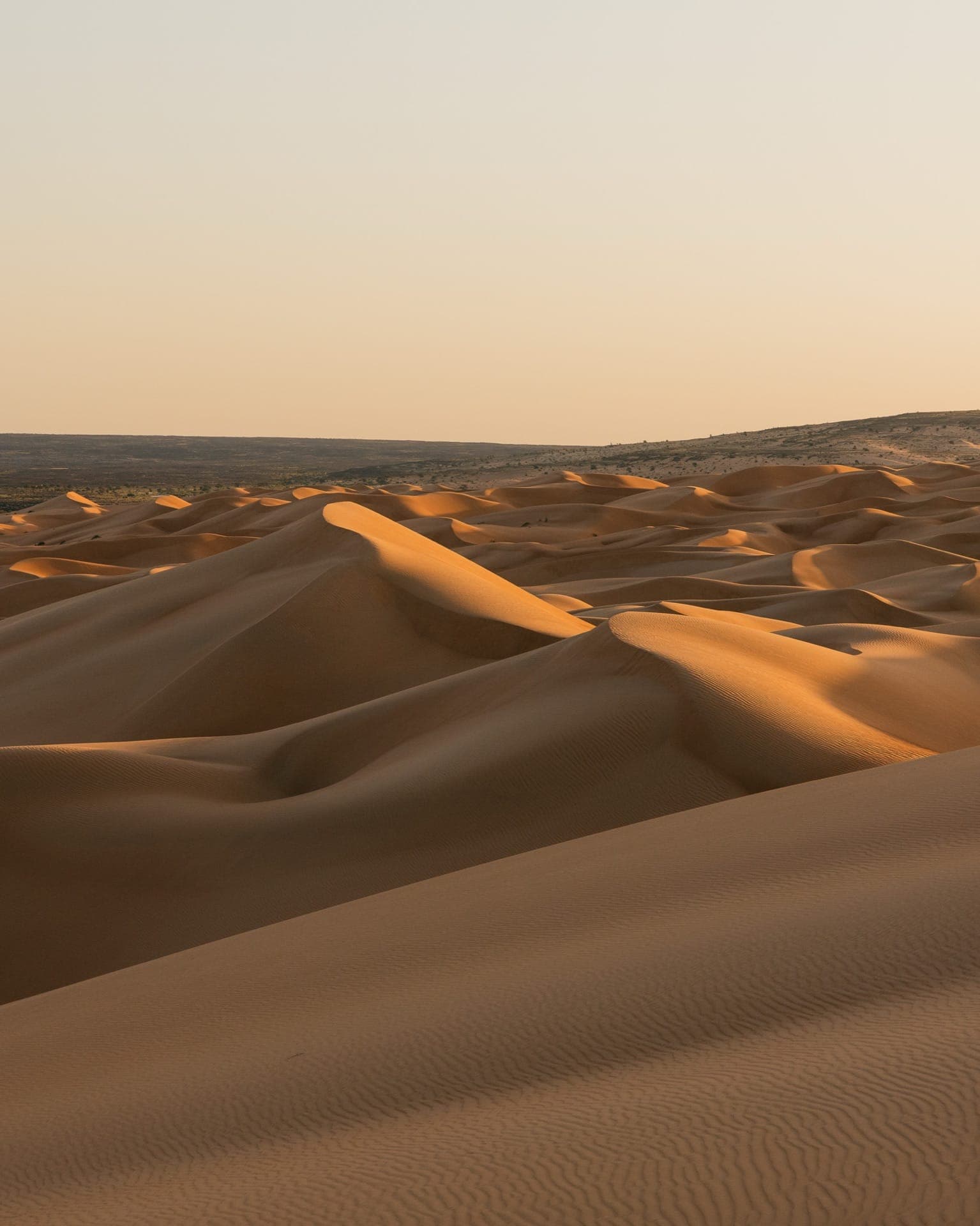
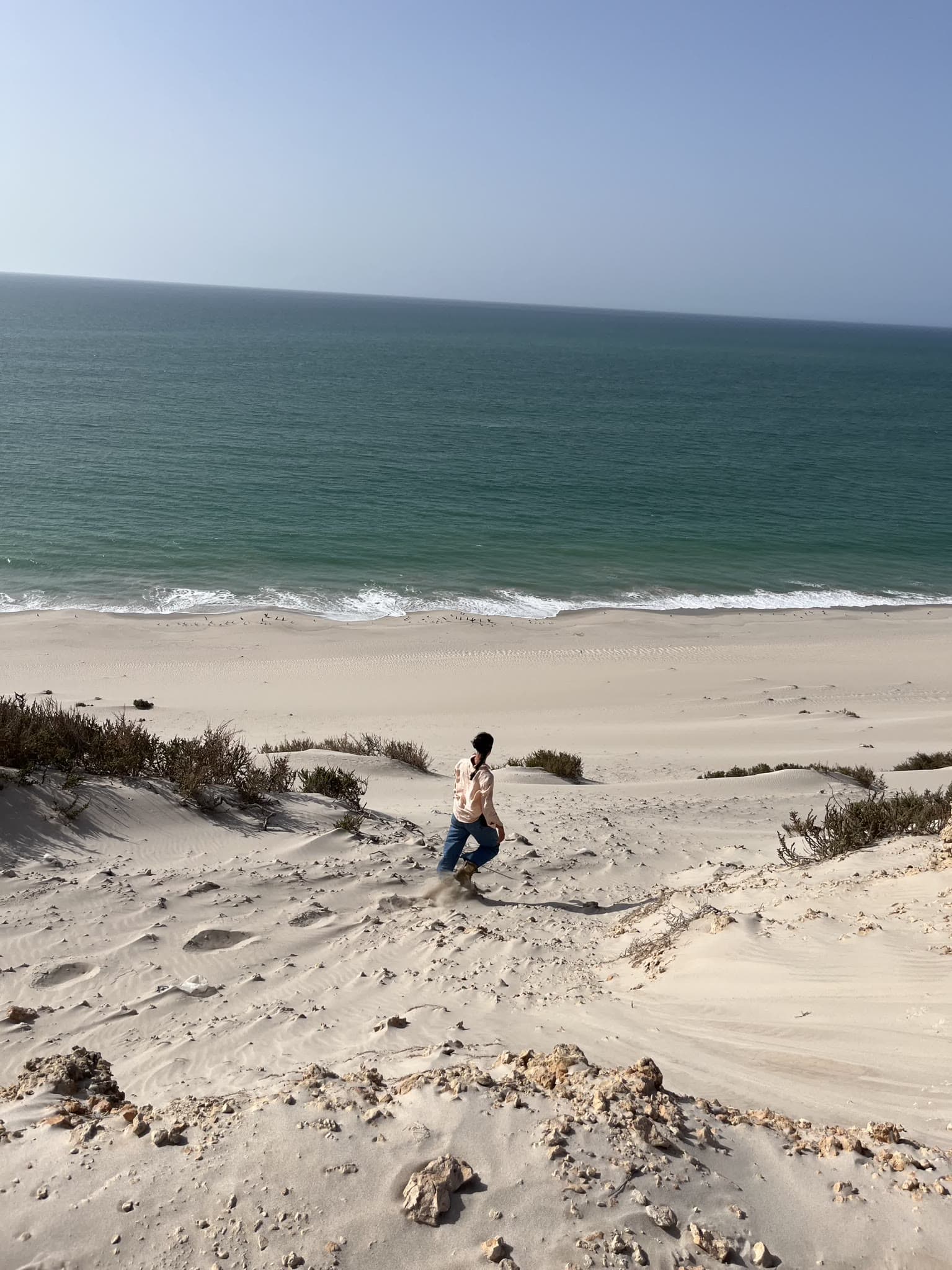
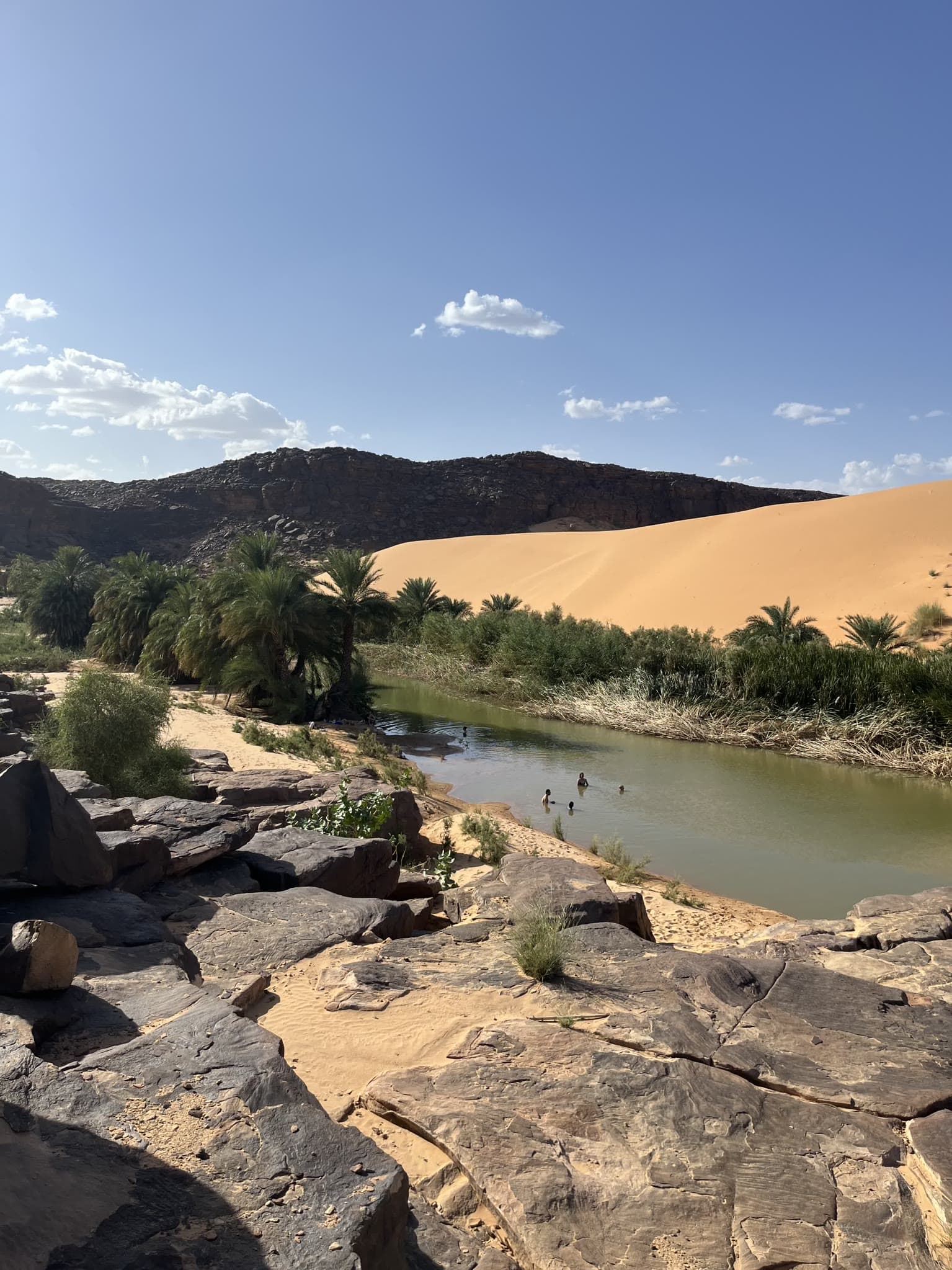
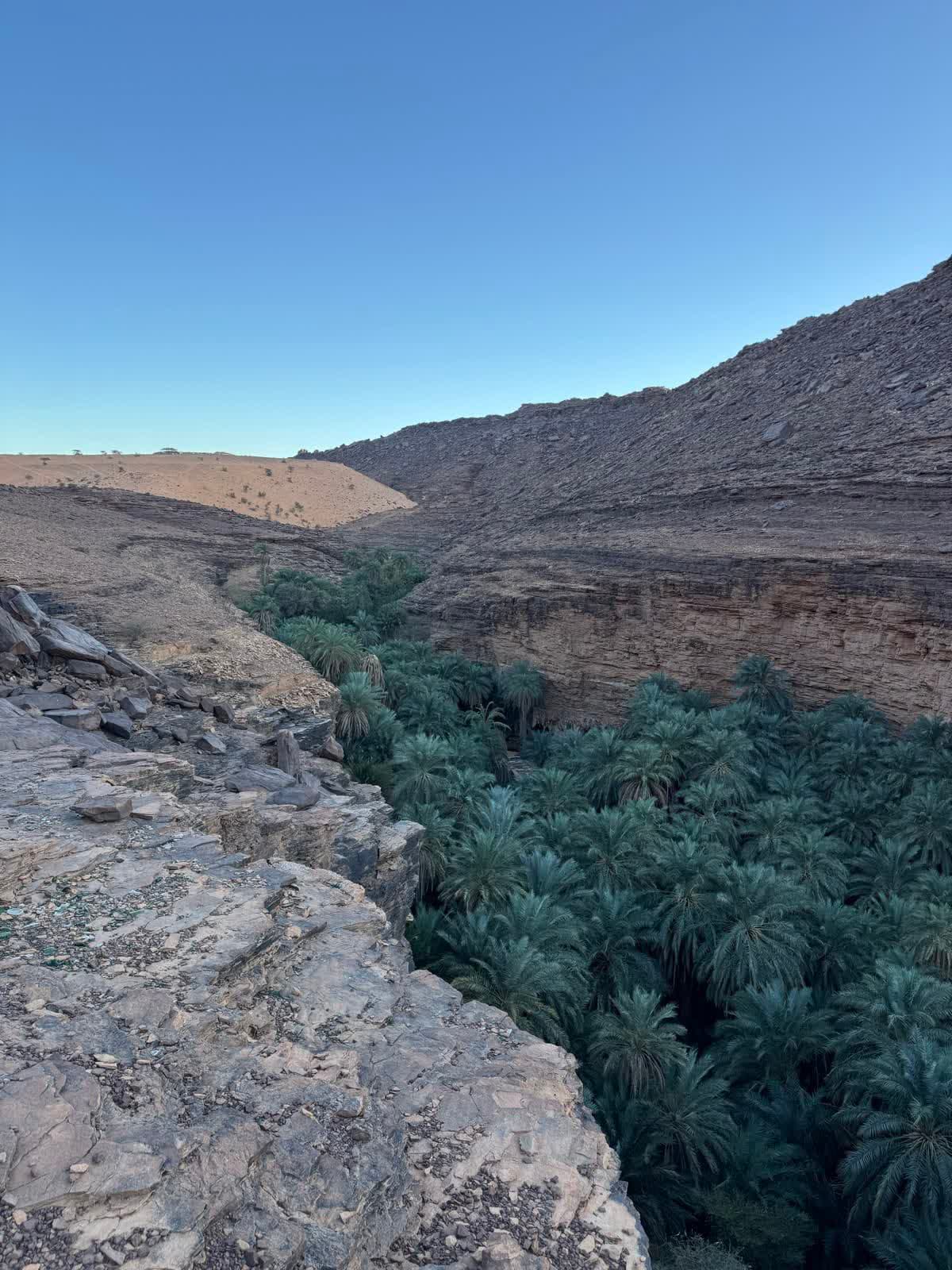
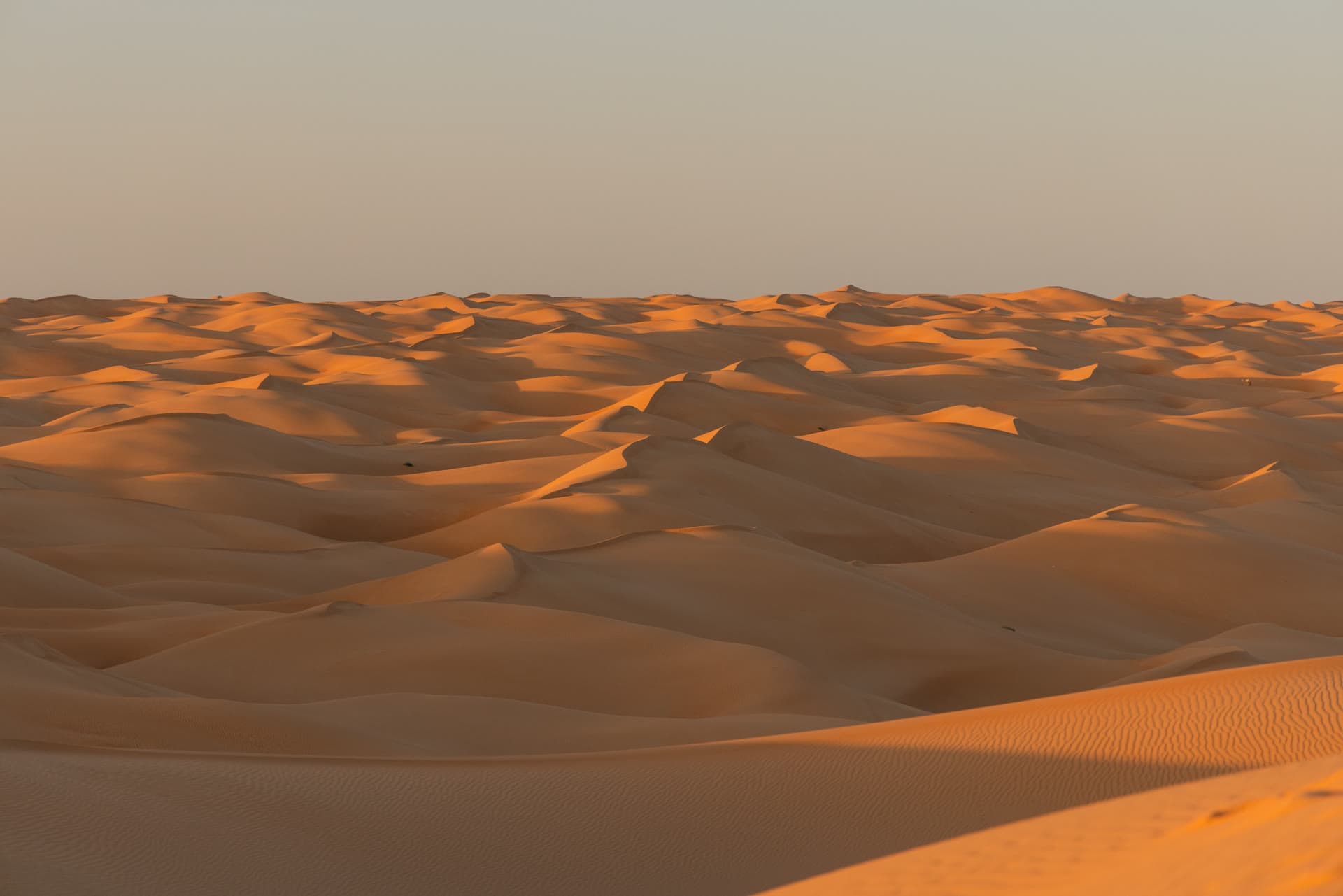
Our expedition begins and ends in the south of Western Sahara, in Ad-Dakhla. We set off toward the land border with Mauritania, stopping at a lonely sandy beach on the Atlantic coast to cool off. After our first night in Western Sahara we cross the border into Mauritania and follow the Atlantic down to the capital, Nouakchott. Here we dive into the country's vibrant culture: we visit the largest camel market in the country and the colorful fishing harbor. From Nouakchott we head into the desert in 4×4 jeeps. We set up camp at the impressive Azoueiga dunes, where we enjoy dinner at sunset. After a night with an open view of the Milky Way, we continue to Chinguetti, an ancient caravan town and UNESCO World Heritage Site. We explore the town's historic ruins and famous libraries. We spend the night at the Terjit oasis in the desert, the largest oasis in Mauritania, and freshen up in its natural pools. Our journey continues to Choum, where our train ride begins. We charge our camera batteries and make the final preparations. In the afternoon sun we climb onto the legendary Iron Ore Train. The ride takes us day and night through the endless desert to the Atlantic coast. The next morning we reach Nouadhibou, where we recover from the night on the train. We make our way back across the border into Western Sahara. There, after a traditional hammam and one last dinner together, our extraordinary journey comes to an end. We spend the final morning together before everyone departs on their own schedule.
Day by Day
Day 1·Arrival in Ad-Dakhla
We meet in Ad-Dakhla in Western Sahara and set off toward the Mauritanian border. We cool off at a lonely sandy beach on the Atlantic coast and spend our first night in Western Sahara.
Day 2·Border & Nouakchott
We cross the border into Mauritania and follow the Atlantic coast to the capital, Nouakchott. Here we immerse ourselves in the culture: the country's largest camel market and the colorful fishing harbor.
Day 3·Into the desert by 4×4
In off-road vehicles we head out into the Sahara. We set up camp at the impressive Azoueiga dunes and enjoy dinner at sunset, followed by a night with an open view of the Milky Way.
Day 4·Azoueiga & Terjit oasis
On to Chinguetti, an ancient caravan town and UNESCO World Heritage Site. We explore the historic ruins and famous libraries and spend the night at the Terjit oasis, the largest oasis in Mauritania, with its natural pools.
Day 5·Choum: boarding the train
We reach Choum, where our train ride begins. We charge the camera batteries, make the final preparations and climb onto the legendary Iron Ore Train in the afternoon sun.
Day 6·Iron Ore Train through the night
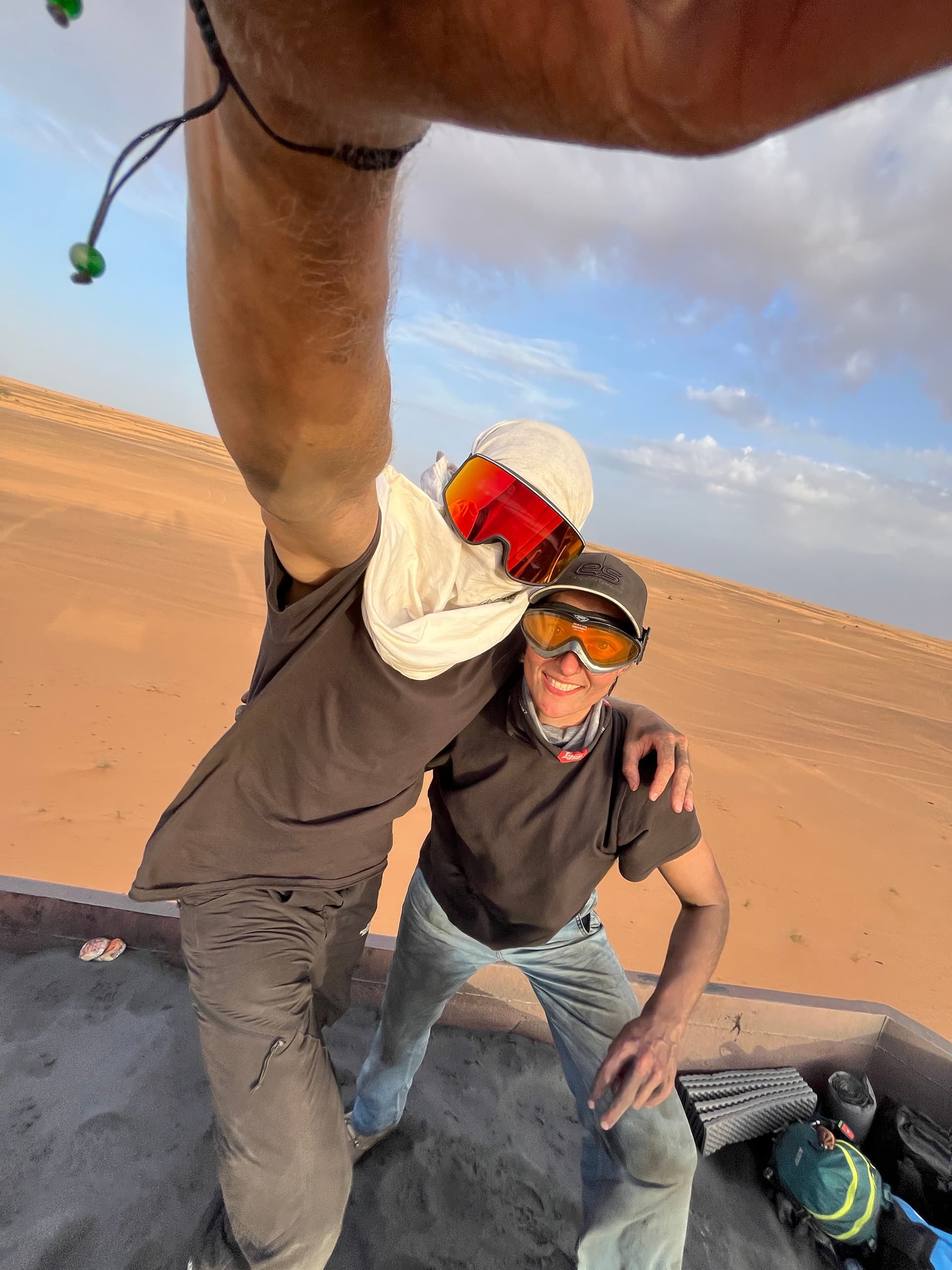
Day and night we roll on the longest and heaviest freight train in the world, through the endless desert all the way to the Atlantic coast. In the morning we reach Nouadhibou, where we recover from the night on the train.
Day 7·Back to Western Sahara
We make our way back across the border into Western Sahara. There our journey ends with a traditional hammam and one last dinner together.
Day 8·A shared finish and departure
We spend the morning together. After that everyone departs on their own schedule.
What's Included
Included in the price
- Accommodation (hotels and desert camping)
- Transport (buses and 4×4s where needed)
- First-aid equipment
- Meals (outside Ad-Dakhla, Nouakchott and Nouadhibou)
- Expedition leaders (from Global Pioneers and from Mauritania)
- Entrance fees
- Local taxes and charges
Not included
- International flights to and from Ad-Dakhla (direct connections from Morocco, the Canary Islands, Paris, Marseille, Bordeaux)
- Travel insurance (mandatory)
- Visa fees (e-visa, approx. €55)
- Lunch and dinner in Ad-Dakhla, Nouakchott and Nouadhibou
- Personal equipment (snacks for the Iron Ore Train, sleeping bag, sleeping pad, ski goggles)
Want to be part of it?
Apply Now!Questions & Answers
When exactly does the expedition start and end, and from when can I book my return flight?
- Arrival: on day 1, to Ad-Dakhla – please be there by 12–1 pm at the latest
- Last night included: the night of day 7, at the hotel in Ad-Dakhla
- Departure: on day 8 – breakfast at the hotel is still included
- Return flight: can depart any time on day 8, even early in the morning
What are the physical requirements?
Average fitness is enough. In the desert it can get very hot during the day (over 35 degrees) and cold at night (down to 10 degrees).
How do I get there?
You organize your own travel to Ad-Dakhla in Western Sahara. There are direct connections from Paris, Madrid, Agadir, Marrakech and Casablanca. We recommend flying in directly via Paris, Madrid, or with a stopover in Morocco. If you have any questions about this, feel free to get in touch with us.
Who is coming along?
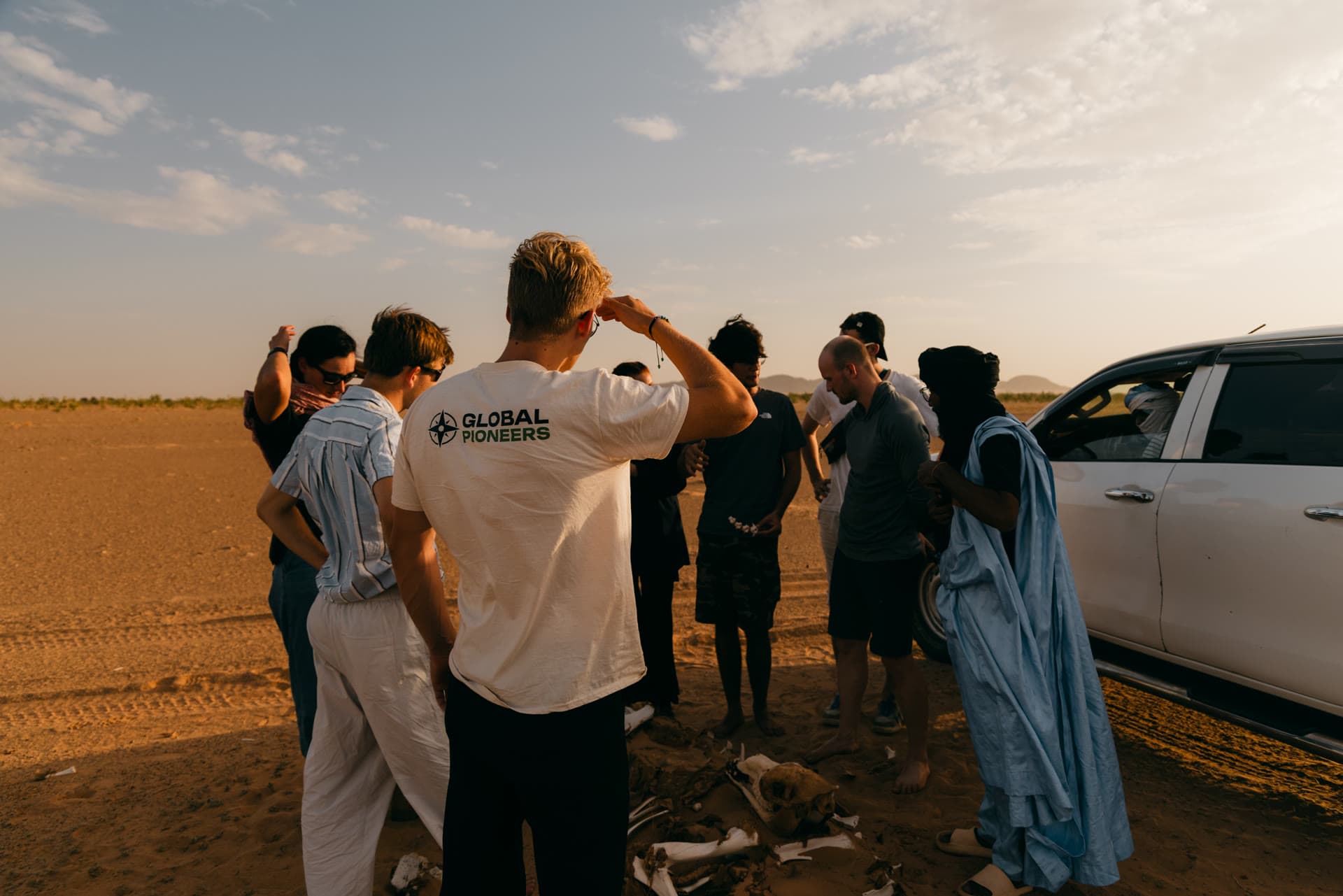
We travel with a maximum of 12 participants. An experienced guide from our team is always part of the trip.
What about safety?
The areas we travel through on this expedition are considered safe. Safety is our top priority, which is why we research the security situation of our destinations extensively. So that you can feel 100% comfortable on your trip, we also recommend doing your own research beforehand (e.g. your government's travel advice).
Is the train ride guaranteed?
The ride on the legendary Iron Ore Train is the highlight of our expedition. We are extremely well connected locally and do everything we can to make sure the train ride goes ahead as planned. However, that is not always in our hands. There is a small chance that the ride is not possible or that we have to travel in the passenger wagon. So far, though, that has never happened. We have all made it to the coast on the train!
What equipment do I need?
For the night on the train you need a sleeping bag (comfort rating of at least 10 degrees), a sleeping pad and ski goggles. Apart from that, no special equipment is required.
How hot does it get?
During the day it can get hotter than 35°C; at night it cools down considerably.
Where do we sleep?
We stay in hotels. Where remote regions have none, we sometimes stay in simpler accommodation. In the desert we camp, and on the train we sleep under the open sky.
Do I need a visa?
Yes, you need a visa for Mauritania. Mauritania has recently switched to an e-visa. You have to apply for it online in advance here: https://anrpts.gov.mr/en. If you have any questions about the visa, we're happy to help at any time.